Coordinar la compra con “para” y “para que” (B1)

Coordinar la compra con 'para que' y subjuntivo para expresar propósito.
DannisDannis
2 min reading time
(Illustration)

Objective: coordinating family shopping. At B1, remember: "para" = purpose; "para que" + subjunctive = purpose when there is a different subject in the second part of the sentence. Similar to English "so that / in order that" when the subjects are different.

Same subject → para + infinitive: Llamo a mi madre para confirmar la lista. Different subjects → para que + subjunctive: Te escribo para que compres pan.

Supermarket culture: in Spain you pay for plastic bags (5–15 cents). Llévate bolsas para que no te cobren. Practical tip of the day.

More family examples: - Apunto todo para que no olvides nada. - Voy contigo para llevar las bebidas. - Pásate por la frutería para que cojan plátanos maduros.

Quick grammar: "para" expresses purpose; "por" does not. E.g.: Estudio español para trabajar en Madrid (purpose), not por trabajar (reason). A mini summary of por/para.

Subjunctive after "para que": Te quedas con los niños para que descanse tu hermana. It shows an intention aimed at another person. Similar to English "so that" + a different subject.
(Illustration)

Comprehension check:

Complete: “Te dejo el coche ___ llegues pronto.”
para llegar pronto
para que llegues pronto
por que llegues pronto
para llegas pronto
We need "para que" + subjunctive when the goal refers to a DIFFERENT subject: yo dejo el coche (subject 1) para que tú llegues (subject 2).
Different subjects → "para que" + subjunctive.
Choose the natural option: “Llévate bolsas ___ no te cobren.”
para que
para
por
"para que" + subjunctive expresses a purpose involving another subject (the people at the checkout). Also, in Spain you really do pay for bags, so this is a real supermarket tip.
Think of a purpose related to someone else’s action (the cashier).
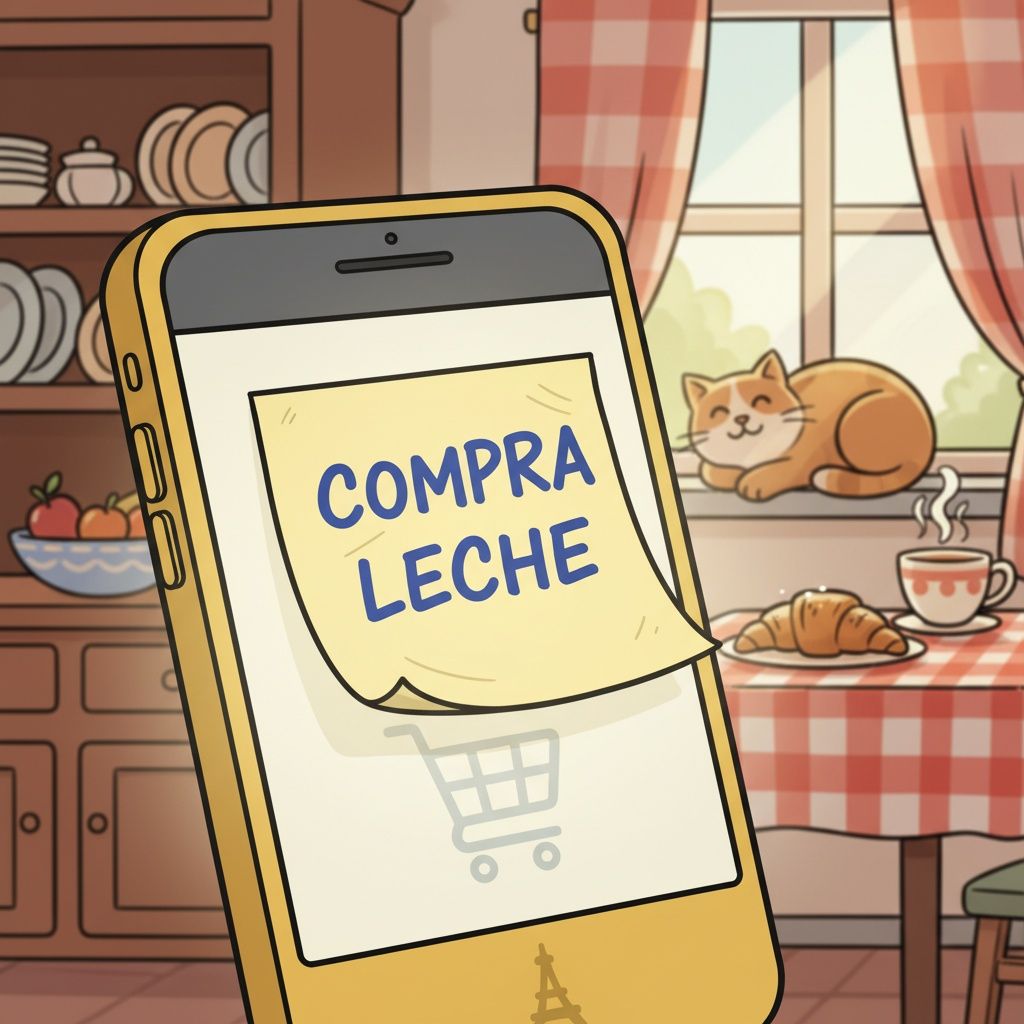
Same subject: “Voy al súper ___ comprar leche.”
para
para que compre
por que
When the subject does not change, we use "para + infinitive": yo voy (yo) para comprar (yo). "para que" requires a change of subject and the subjunctive.
If the subject is the same, use an infinitive after "para".

Discover next:

Join Action Section
Do you like it? Want more?
Free & quick registration, no subscriptions!
🤗
For expats and alike – unlike any other language app you've tried!
🎮
Learn by scrolling and playing!
💪
Real grammar and idioms to sound like locals!
🧠
Endless FYP feed for language learning
🧠
Endless FYP feed for language learning

Related articles

Materials on related topics will help expand your understanding of the topics: