Para que + subjuntivo en la cocina (finalidad)
 Dannis
Key idea (B1): *finalidad* = purpose. Use **"para que" + subjuntivo**: I cook X so that Y happens.
Example: *Tapamos la olla para que el caldo no se evapore.*
“We cover the pot so that the broth doesn’t evaporate.”
Quick rule: same subject → **para + infinitivo**. Different subjects → **para que + subjuntivo**.
In short: one subject → *para + infinitive*; two subjects → *para que + subjunctive*.
Recipes with purpose:
*Pela el ajo para que no amargue.*
“Peel the garlic so that it doesn’t taste bitter.”
*Bate los huevos para que la tortilla quede esponjosa.*
“Beat the eggs so that the omelette turns out fluffy.”
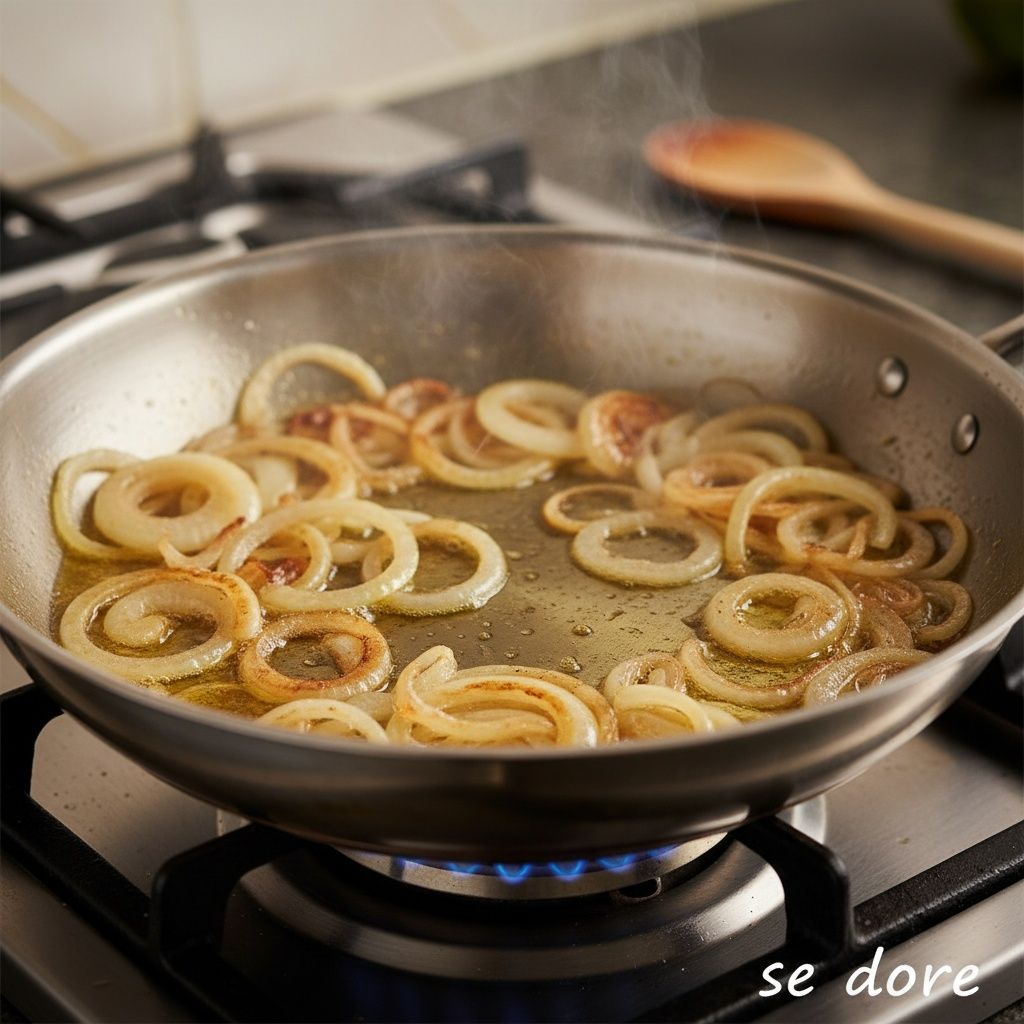
Useful phrase: **Te lo digo para que lo sepas.**
“I’m telling you so that you know.”
Use it when you give information with a specific intention or purpose.
To avoid something:
*Cubre la olla para que no se evapore el caldo.*
“Cover the pot so that the broth doesn’t evaporate.”
*No eches tanta sal para que no quede salado.*
“Don’t add so much salt so that it doesn’t end up too salty.”
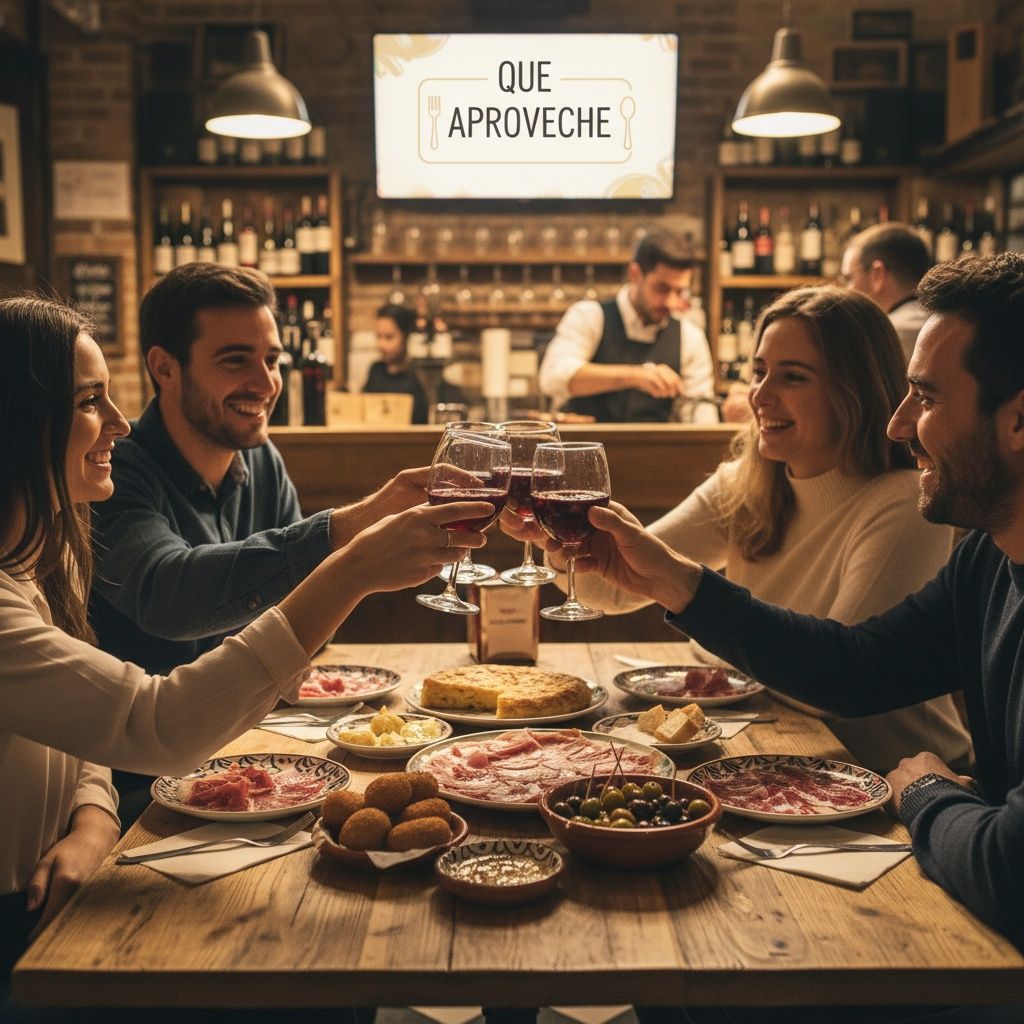
In Spain, food means being together and socializing. At the table and when going for tapas you’ll hear many purpose clauses:
*Pedimos raciones para que todos prueben,*
“We order sharing plates so that everyone can try,”
*brindamos para que el momento quede en la memoria.*
“we make a toast so that the moment stays in our memory.”
Extra: **Que yo sepa** = “as far as I know”. It always goes with the subjunctive.
Example: *Que yo sepa, la paella no lleva chorizo.*
“As far as I know, paella doesn’t have chorizo in it.”
Comprehension check:
**"Para que + subjuntivo"** is used when the subject changes.
Discover next: