Charcutería: pide como un local (usted)

Pedido en charcutería usando imperativo de cortesía (usted) y vocabulario de corte.
DannisDannis
3 min reading time
(Illustration)

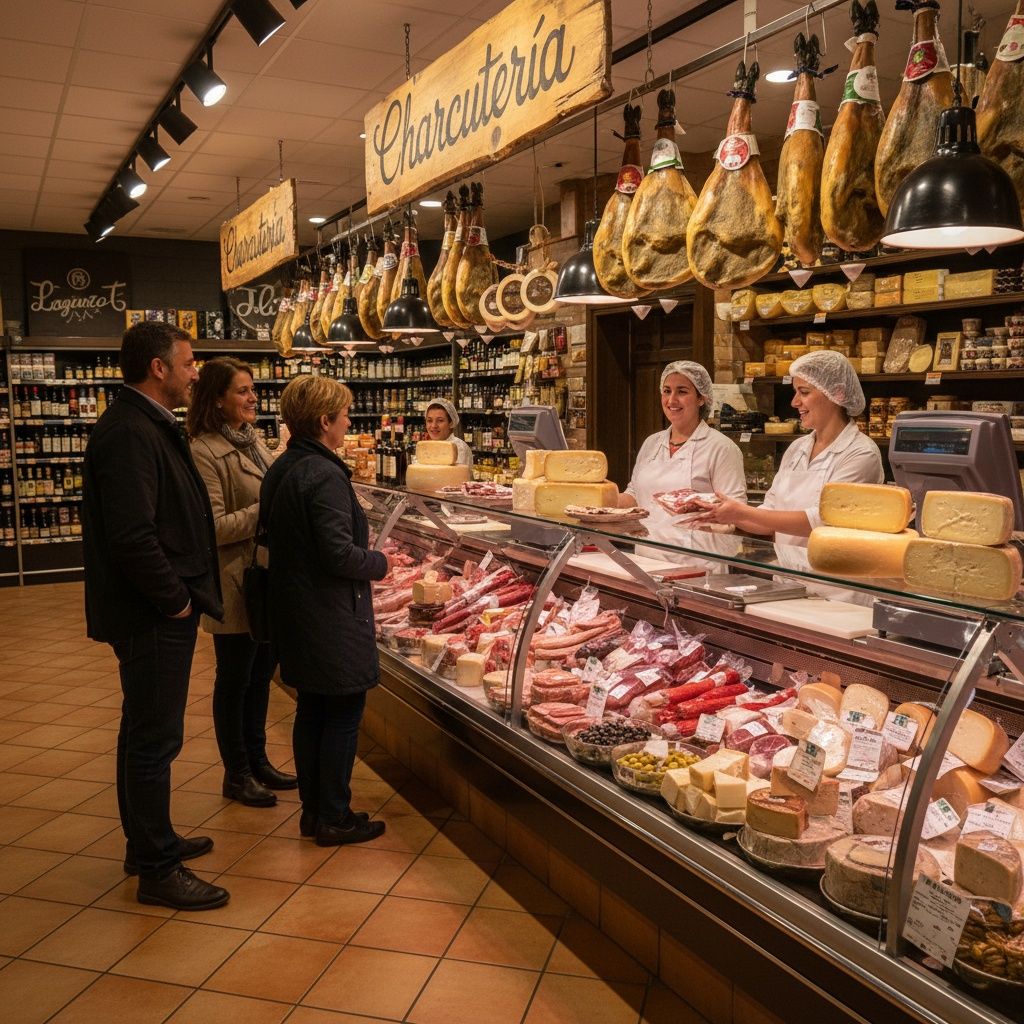
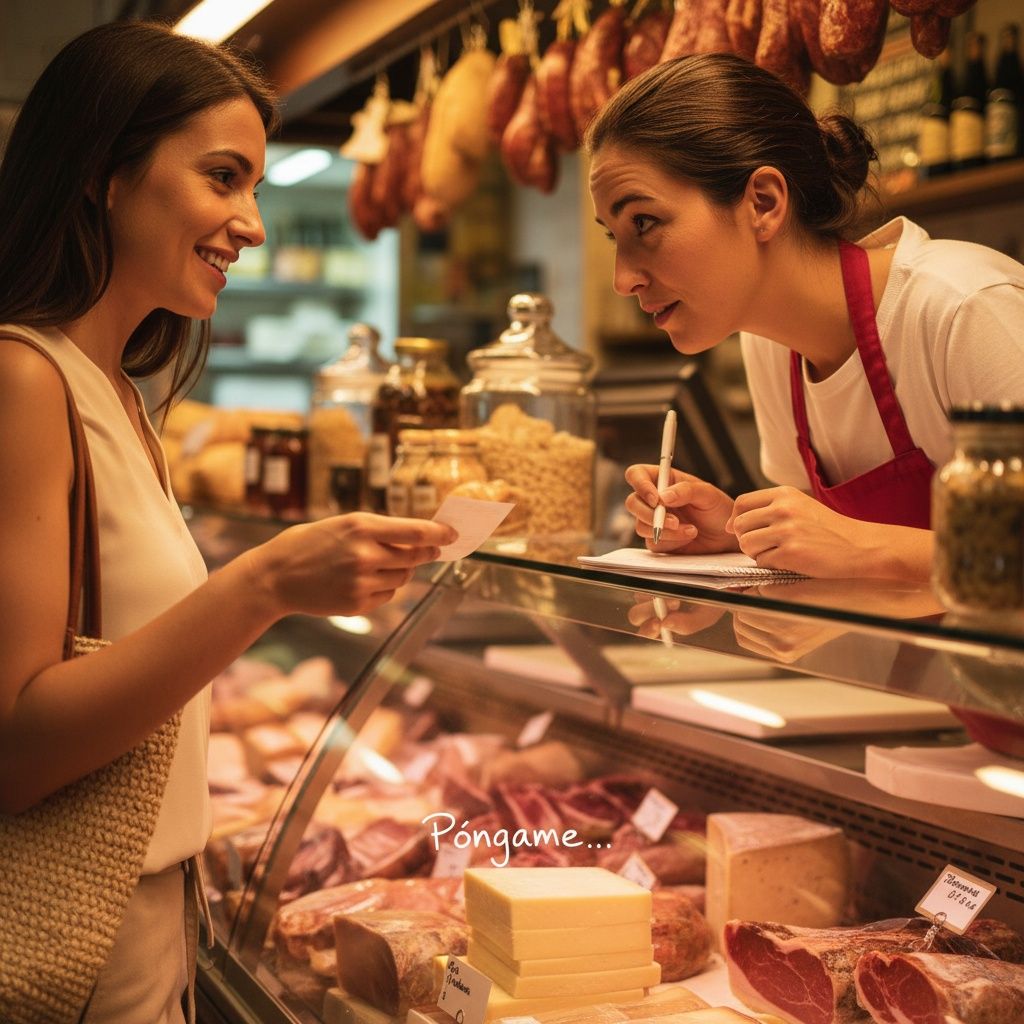
En la charcutería, el dependiente suele decir: "¿Qué le pongo?". Responde: "Póngame…, por favor" (polite, usted).
(Illustration)

Póngame = formal imperative of "poner" (usted) + attached pronoun "me". E.g.: "ponga" + "me". Rule: in the affirmative imperative, pronouns are attached to the end of the verb.
(Illustration)

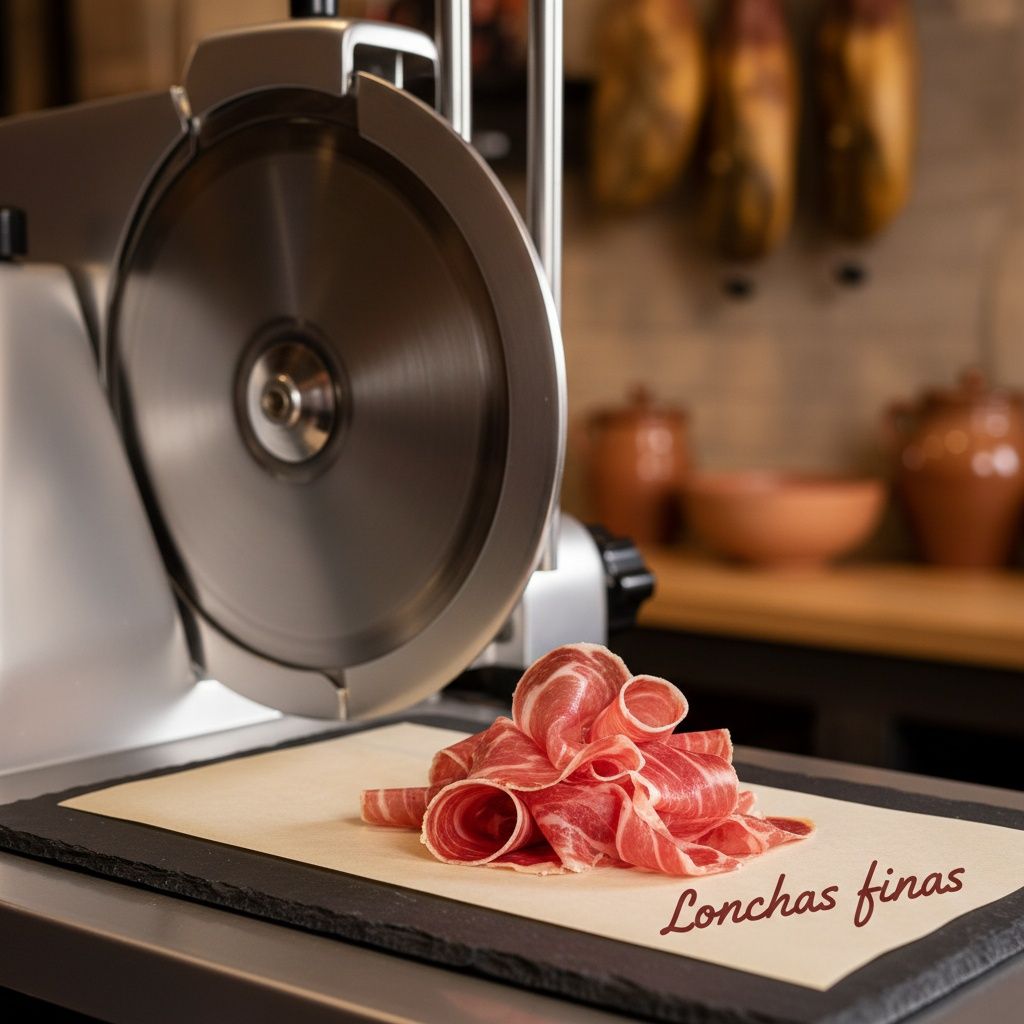
For cutting: lonchas finas/gruesas; en tacos. Useful phrase: "¿Me puede cortar el jamón en lonchas finas?"
(Illustration)

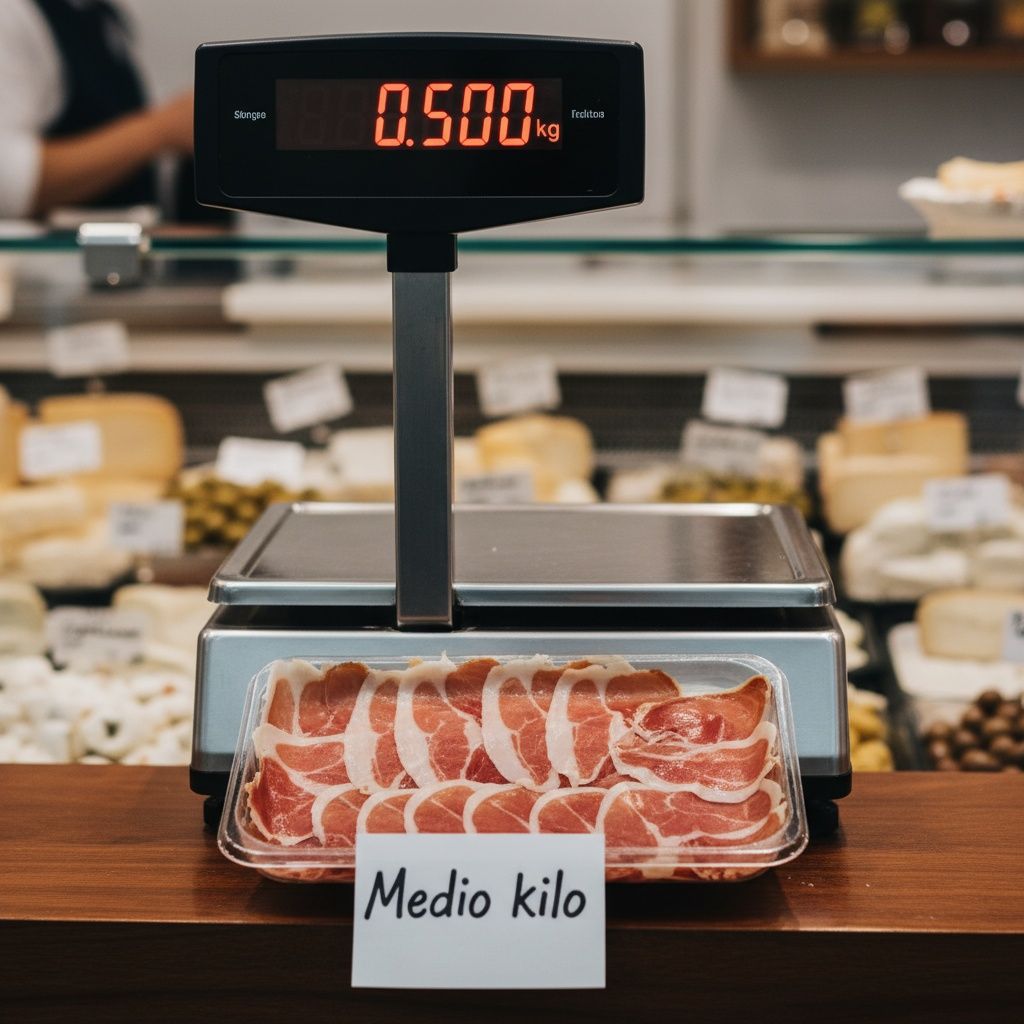
Quantities: medio kilo (500 g), un cuarto (250 g). Example: "Póngame medio kilo de carne picada".
(Illustration)

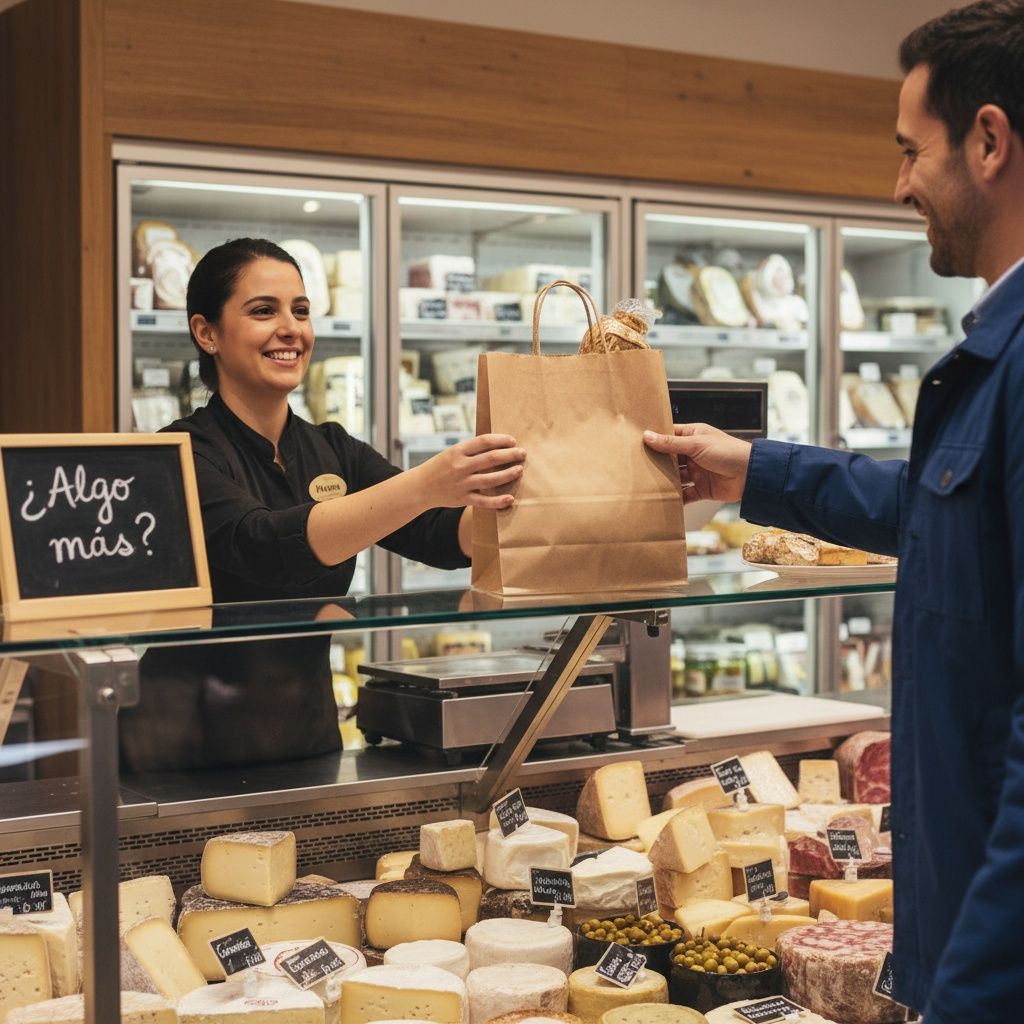
Typical closing: Shop assistant: "¿Algo más?" Customer: "Nada más, gracias". ✔️ Sounds natural in Spain.

Turn‑taking culture: the queue is respected. To know your place, ask: "¿Quién es el último?"

Mini-dialogue: —Buenos días. —Póngame 200 g de queso, lonchas finas, por favor. —¿Algo más? —Nada más. ¿Me hace la cuenta? (polite way to ask to calculate the bill)

Comprehension check:

Completa: «_____ jamón, por favor: lonchas finas».
Póngame
Ponme
Ponga me
Pónganse
The correct option is "Póngame" = polite imperative (usted) + "me" written together. "Ponme" is the informal tú form; "Ponga me" is incorrect spelling.
Use the polite usted form + the pronoun attached as a suffix.
¿Cuánto es «medio kilo»?
250 g
500 g
1 kg
"Medio kilo" = 500 gramos. "Un cuarto" = 250 g.
Think: medio = half of 1 kg.
Para terminar el pedido de forma natural, di:
«¿Quién es el último?»
«Nada más, gracias»
«¿Qué le pongo?»
"Nada más, gracias" is how you close your order. "¿Quién es el último?" is for asking about your place in the queue; "¿Qué le pongo?" is what the shop assistant says.
Choose the closing phrase, not the one about the queue or the shop assistant's question.

Discover next:

Related articles

Materials on related topics will help expand your understanding of the topics: