Comerse y beberse: matiz de “entero”
 Dannis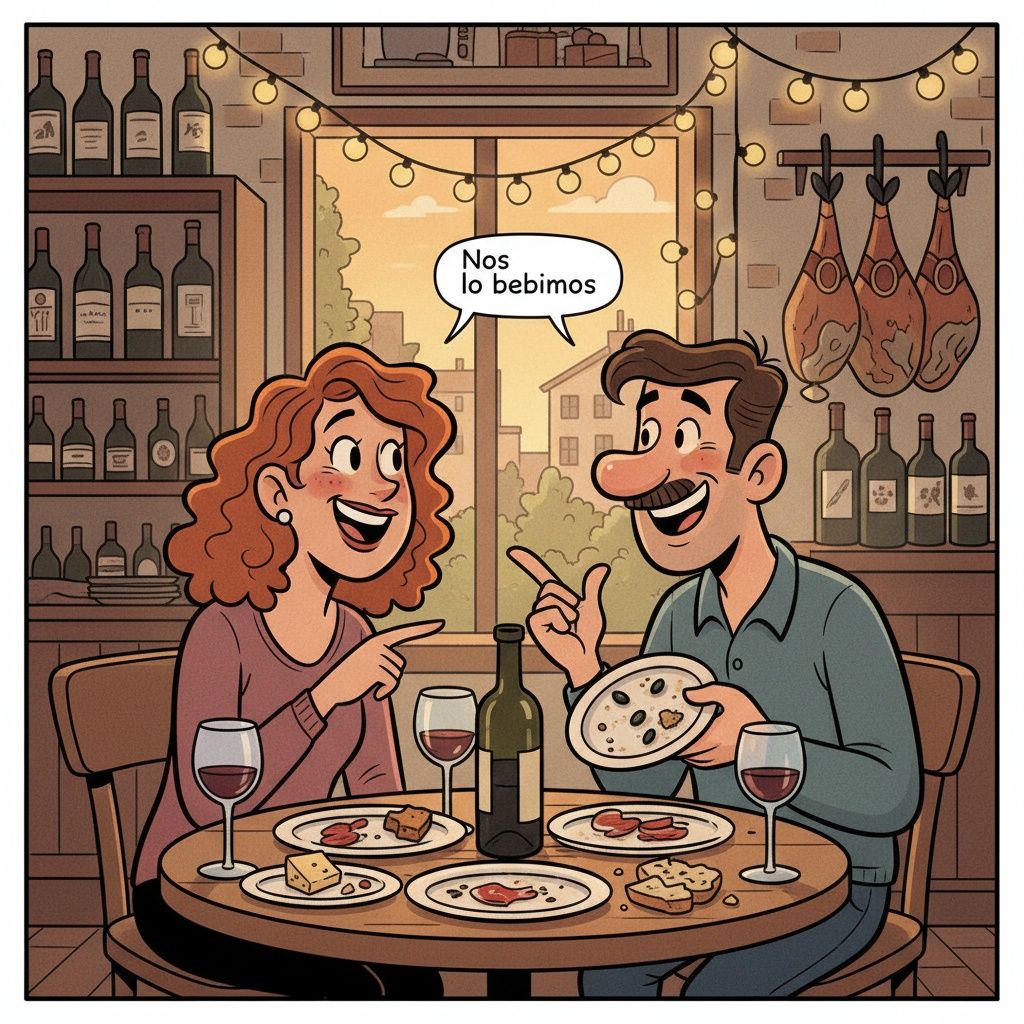
Comer vs comerse. Beber vs beberse. With “se”, the verb sounds more “complete”: it adds the idea of “all, the whole thing” (in English: “to eat/drink it all up”). Very useful in the supermarket or in bars.
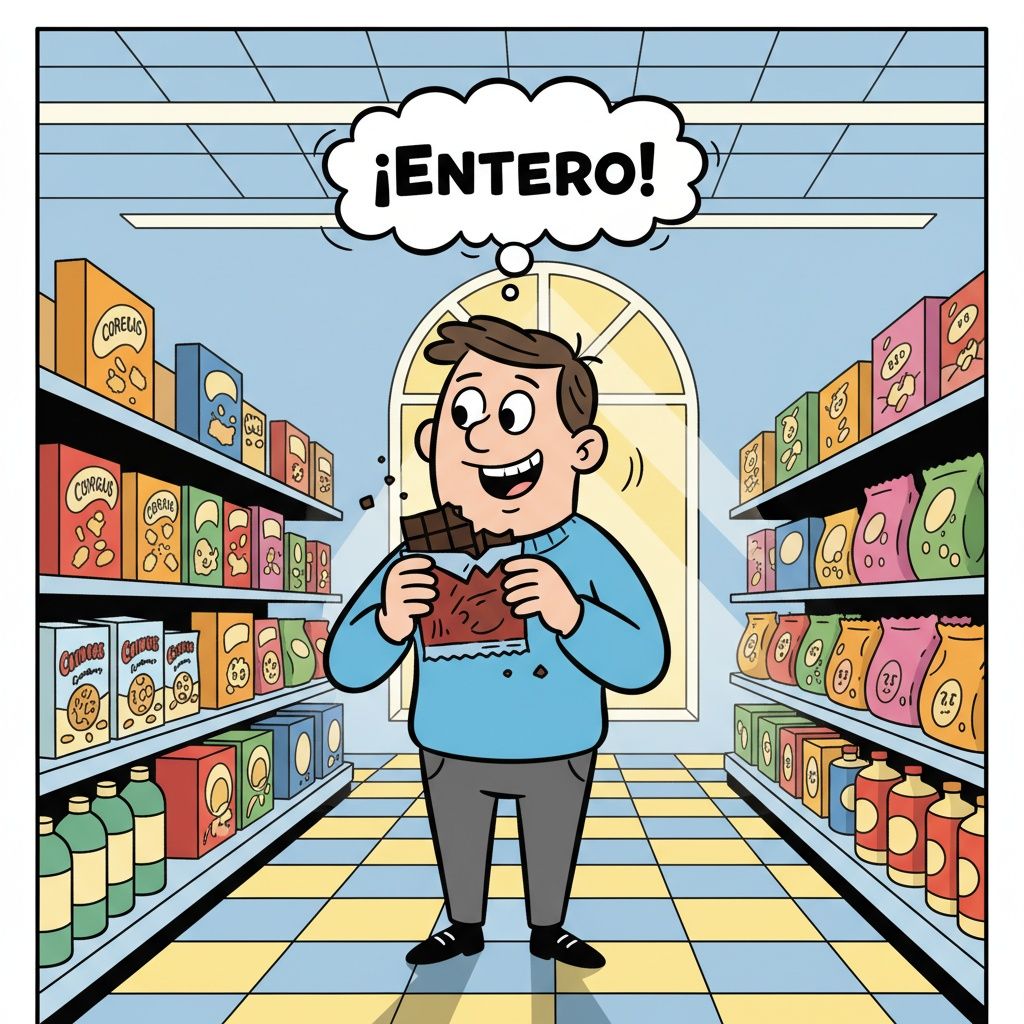
Comer chocolate = neutral action. Me he comido la tableta entera = I finished it / I ate the whole bar (focus on the result).
Beber vino = general. Nos bebimos la botella = there was nothing left / we finished the bottle (we drank it all). You use the indefinido for a finished past time: ayer, la semana pasada, etc.
Me he comido = pretérito perfecto (today/recently). Nos bebimos = indefinido (closed/finished past). In Spain, with “hoy” you very often use “he …”.
Pronouns: comérselo / bebérselo when the thing is already known. For example: ¿El bocadillo? Me lo comí. ¿El zumo? Nos lo bebimos. (lo = el bocadillo/zumo)
Comprehension check:
Discover next: