En la caja del súper: pues nada, venga, a ver
 Dannis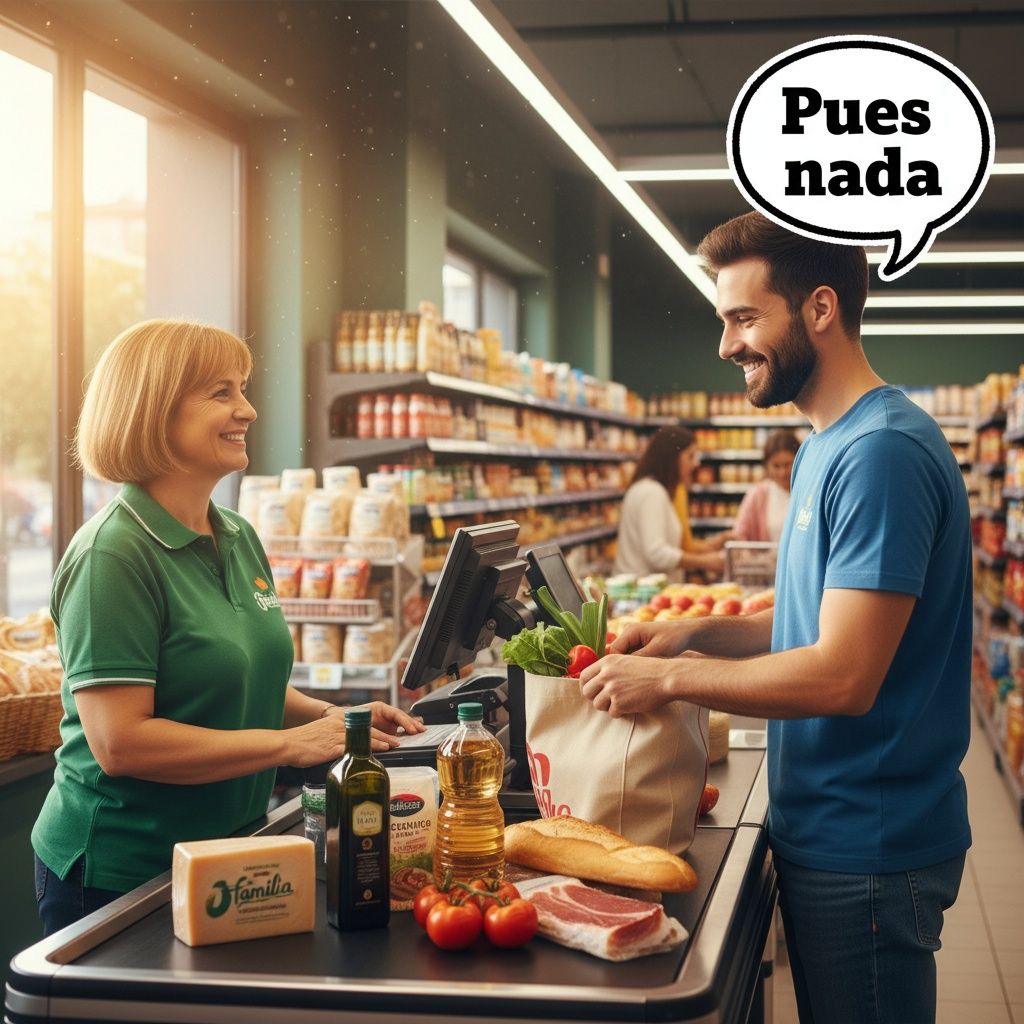
En la caja del súper en España se usan muletillas: pequeñas palabras que conectan y suenan naturales. In English you can think of them as little filler words or linkers that make your speech sound fluent and friendly.
"A ver" = softens or prepares what you’re going to say: "A ver, ¿tienes la tarjeta?", "A ver si pasa la oferta". Roughly: "let’s see" / "let me see". Real shop small talk: "A ver si llueve pronto" ("Let’s see if it rains soon").
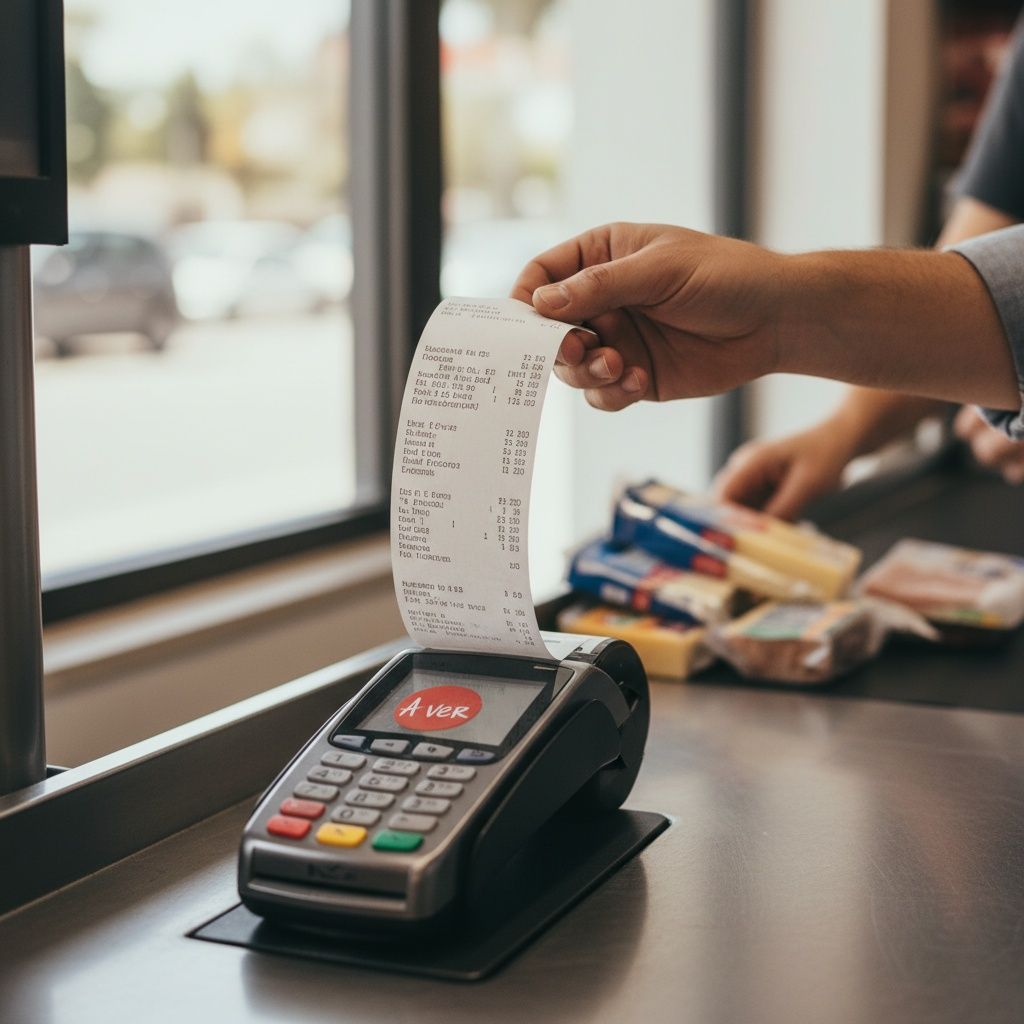
"Venga" = gets someone to act or closes a situation: "Venga, pásalo por el datáfono"; "Venga, hasta luego". Similar to English "come on / alright then" for starting or ending something. "Hasta luego" is a very typical way to say goodbye in shops.
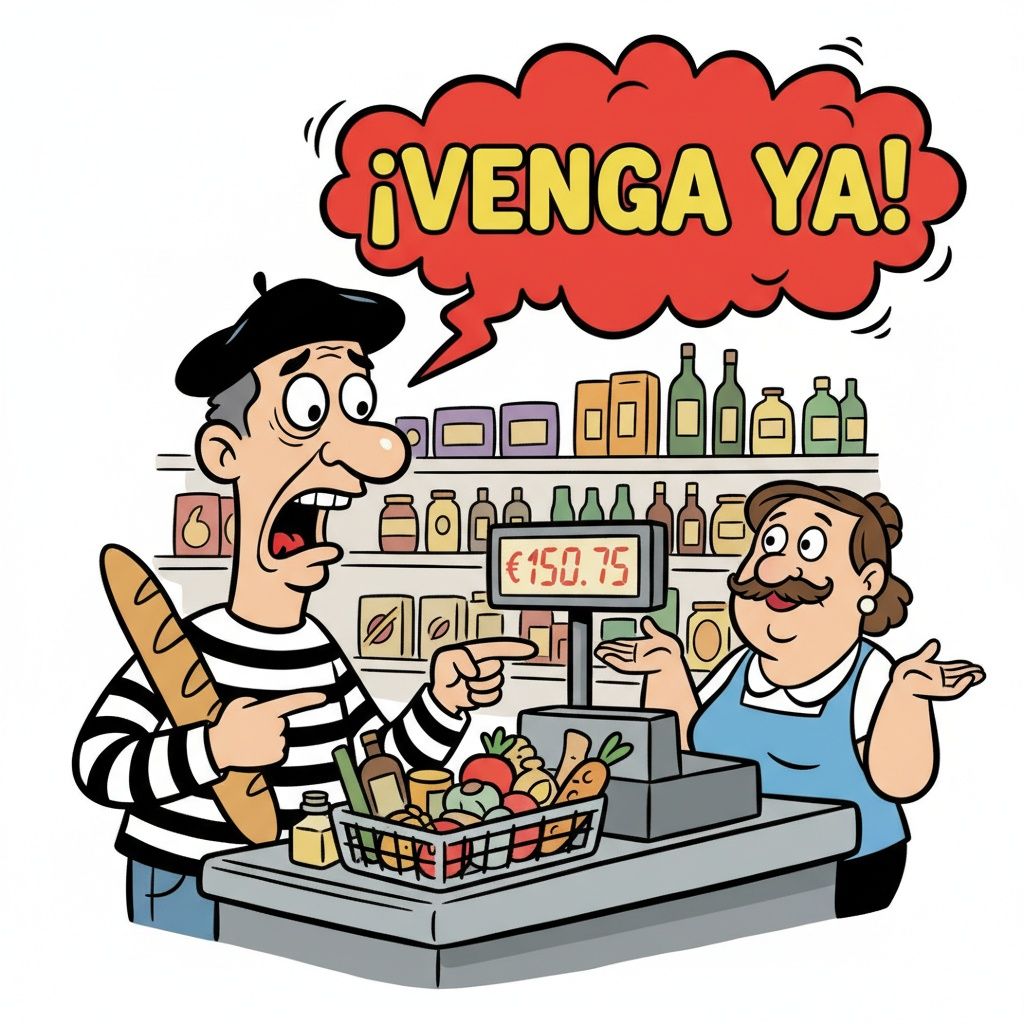
"¡Venga ya!" = mild disbelief or complaint. E.g.: "¿3€ por la bolsa? ¡Venga ya!" Similar to "Oh, come on!" / "You must be kidding!". It’s very colloquial and widely used.
"Pues nada" = friendly way to wrap up: "Pues nada, gracias". It often goes together with "Hasta luego". Roughly: "well then" / "alright then, that’s it" when you’re saying goodbye.

Useful phrases at the checkout: "¿Me cobras?", "Nada más, gracias", "Hasta luego". And you’ll hear "A ver" and "¡Venga ya!" a lot in Spain.
Comprehension check:
Discover next: