Bromear e incredulidad en España: tomar el pelo, vacilar, de coña, de cachondeo, ¡Venga ya!, Ni de coña

Mini-quiz (3 situaciones) para elegir la expresión coloquial correcta al bromear o mostrar incredulidad.
DannisDannis
3 min reading time
(Illustration)

Bromear e incredulidad: 6 expresiones clave del español de España. For English speakers: simple examples and when to use them.

tomar el pelo = “to tease / to wind someone up” with a light trick or deception. Ej.: ¿Es verdad o me estás tomando el pelo? Very common and neutral in Spain.

(Illustration)

vacilar (a alguien) = to mess with someone / to joke around with someone (very youthful, very informal). Ej.: ¡No me vaciles! ≈ no me tomes el pelo.

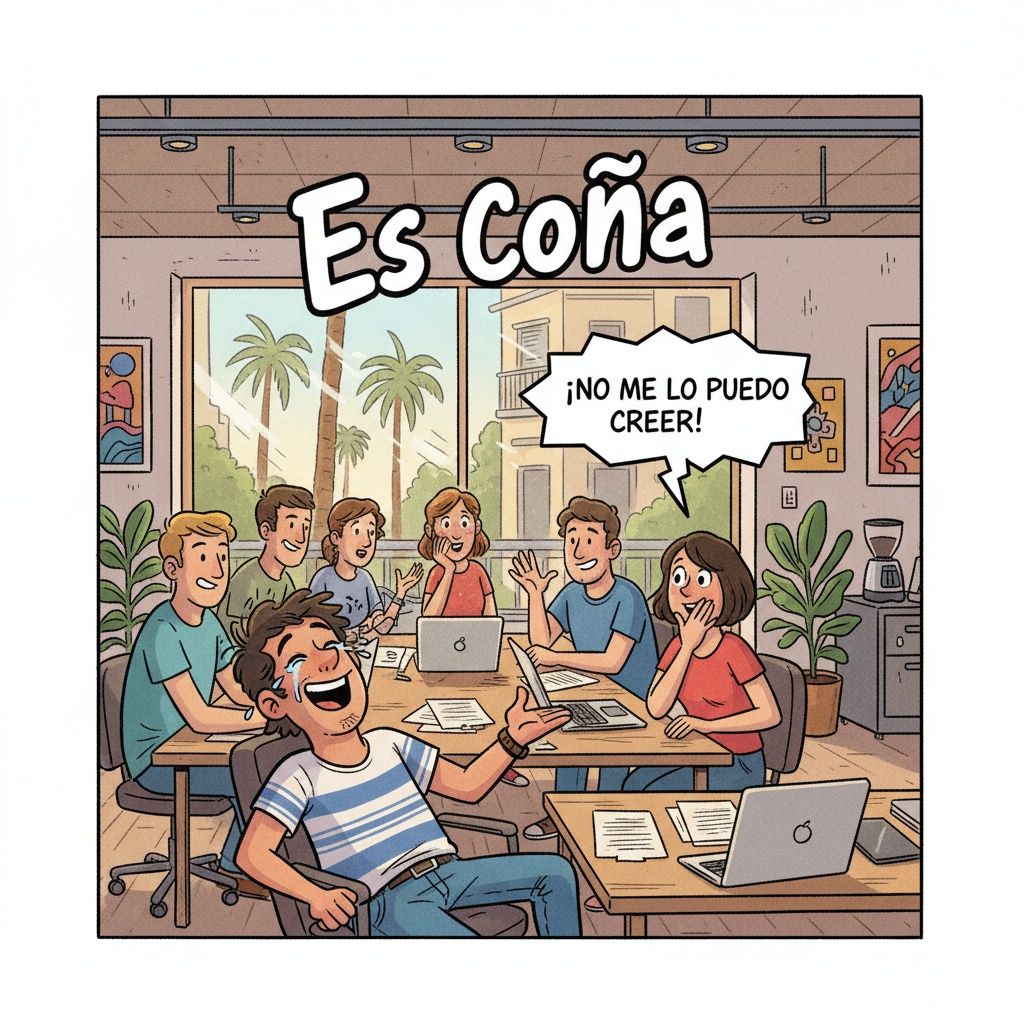
estar de coña = to be joking. Not formal; vulgar origin, but today it sounds like “it’s a joke”. Ej.: Tranquilos, estoy de coña.
(Illustration)

estar de cachondeo = joking around, having laughs; also “messing about / partying with no control”. Ej.: Ayer estuvimos de cachondeo. Not perceived as so vulgar.

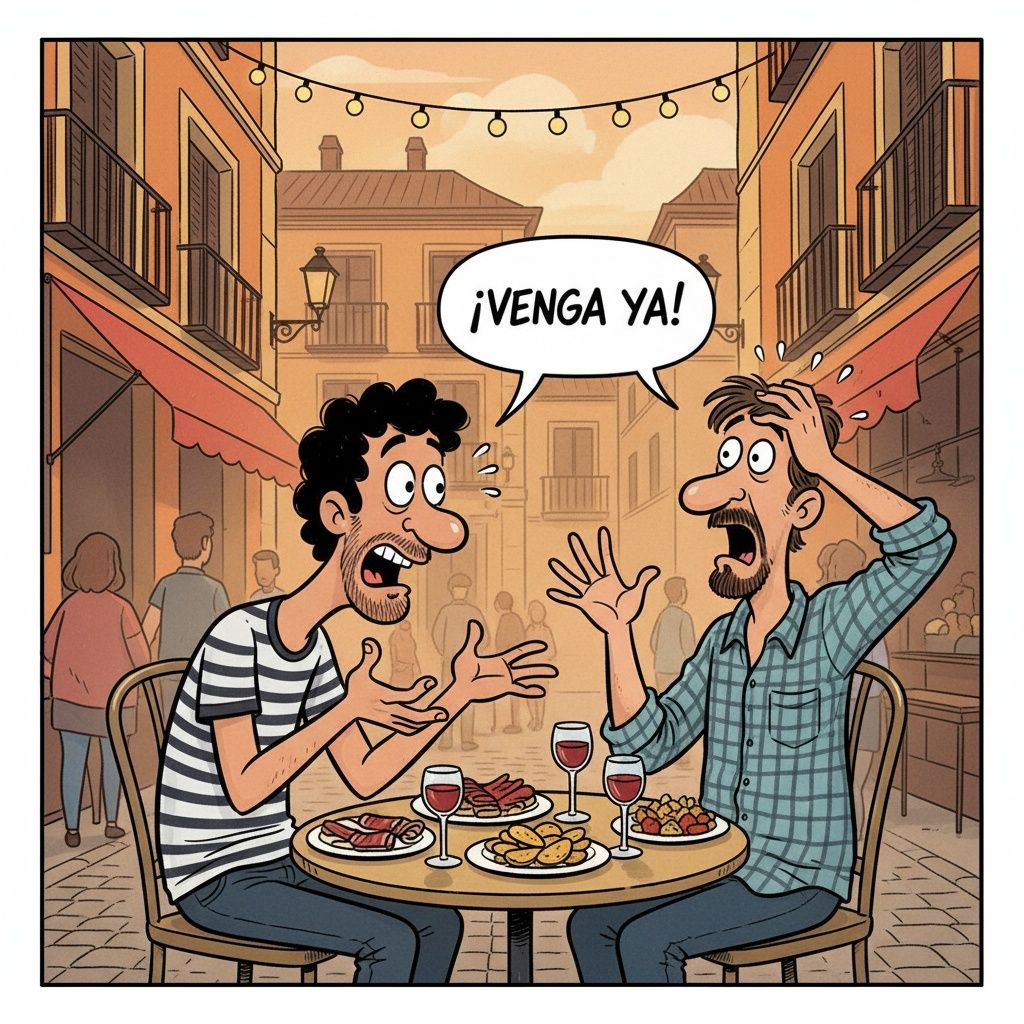
¡Venga ya! = “Come on!” / “No way!” (incredulity). Reaction when you don’t believe something. No swear words.

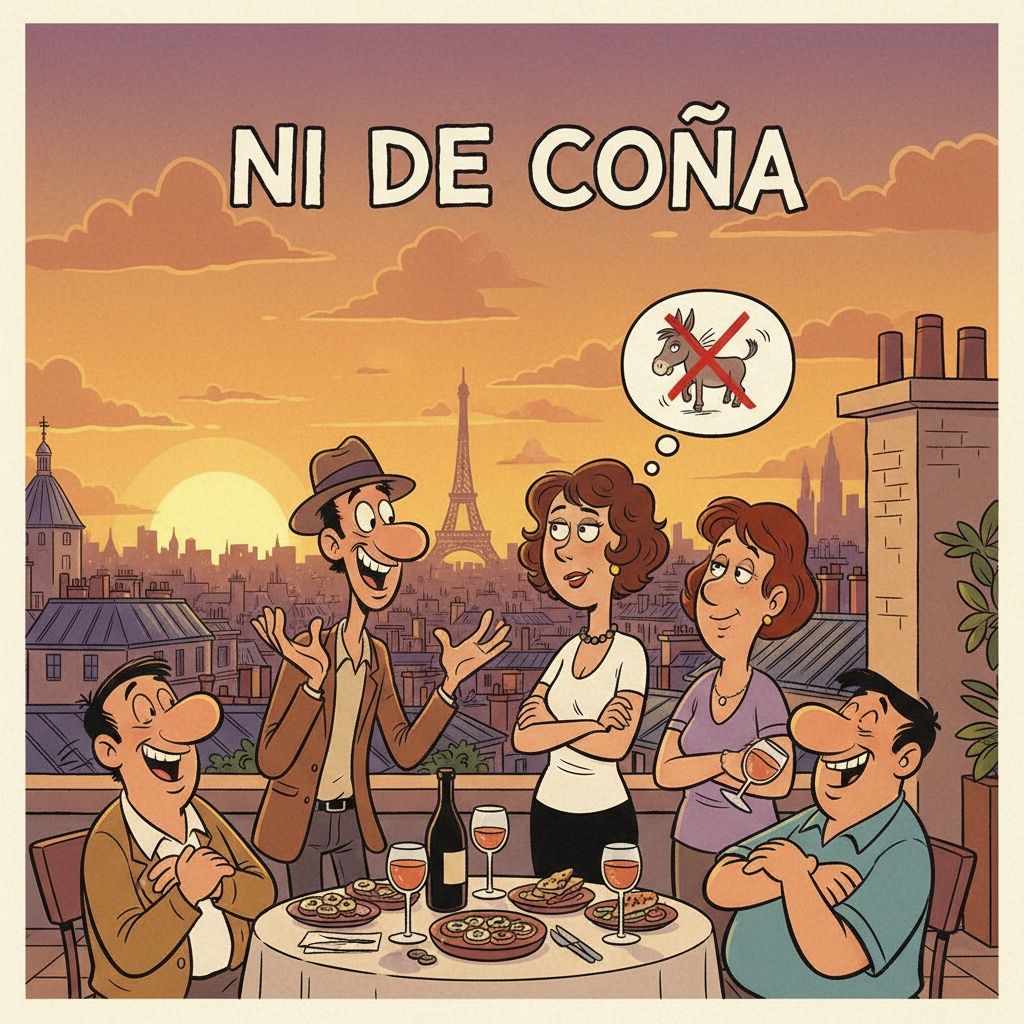
Ni de coña = “no way / not in a million years”; to strongly refuse or not believe something. Strong colloquial. Ej.: ¿Subir al Everest? Ni de coña.
(Illustration)

Quick guide: joke → estar de coña / de cachondeo. Tease / make fun of someone → tomar el pelo / vacilar. Incredulity → ¡Venga ya! / Ni de coña. The tone and how close you are to the person are key.

Comprehension check:

Your friend says: “He visto a Messi en el metro” (I’ve seen Messi on the subway). You don’t believe him. What do you answer?
¡Venga ya!
Estoy de cachondeo
Te estoy tomando el pelo
Ni de coña
“¡Venga ya!” is a reaction of disbelief (“Oh, come on!” / “No way!”). “Estoy de cachondeo” describes that you are the one joking; “Te estoy tomando el pelo” is admitting that you are teasing; “Ni de coña” is a strong “no way”, more often used as a refusal.
We’re looking for the natural reaction like “Oh, come on!” when you don’t believe something.
You’re joking and want to make it clear that it’s a joke: “It’s a joke.” What do you say in Spanish?
Estoy de coña
¡Venga ya!
Ni de coña
No me vaciles
“(Estar) de coña” = “to be in joking mode / to be kidding”. “¡Venga ya!” expresses disbelief; “Ni de coña” is a categorical refusal / disbelief; “No me vaciles” asks someone else not to mess with you.
Key word: coña.
A colleague gives you an impossible number. You want to check if he’s joking with you. What do you ask in Spanish?
¿Me estás vacilando?
Estoy de cachondeo
Ni de coña
¡Venga ya!
“Vacilar (a alguien)” in Spain = “to mess with / tease someone”; “¿Me estás vacilando?” = “Are you messing with me?” / “Are you kidding me?”. The other options don’t directly ask that question.
Look for the typical youthful question meaning “Are you messing with me?”

Discover next:

Join Action Section
Do you like it? Want more?
Free & quick registration, no subscriptions!
🤗
For expats and alike – unlike any other language app you've tried!
🎮
Learn by scrolling and playing!
💪
Real grammar and idioms to sound like locals!
🧠
Endless FYP feed for language learning
🧠
Endless FYP feed for language learning

Related articles

Materials on related topics will help expand your understanding of the topics: