
¿Comer o comerse? ¿Beber o beberse? Totalidad y disfrute
Reflexivos intensificadores: comerse/beberse para indicar totalidad/disfrute, con mini-quiz.
 Dannis
Elige la opción que expresa mejor la idea de totalidad/disfrute: Anoche ____ la tortilla de patatas entera.
Correct: 0/8
Hints for this Quiz
Look for a form with "se" that gives the nuance of "we finished it all".
In Spanish, "comerse" reinforces the idea of "eat it all / relish it". Here "nos comimos" ≈ "we polished off the whole tortilla". The plain "comimos" is neutral, without the nuance of completion.
You need a form that suggests "we drained them to the last drop".
"Beberse" highlights that everything was drunk, to the last drop. "Bebimos" just states the fact without focusing on the result.
Look for a perfecto with "se" + the idea of "todo" (all).
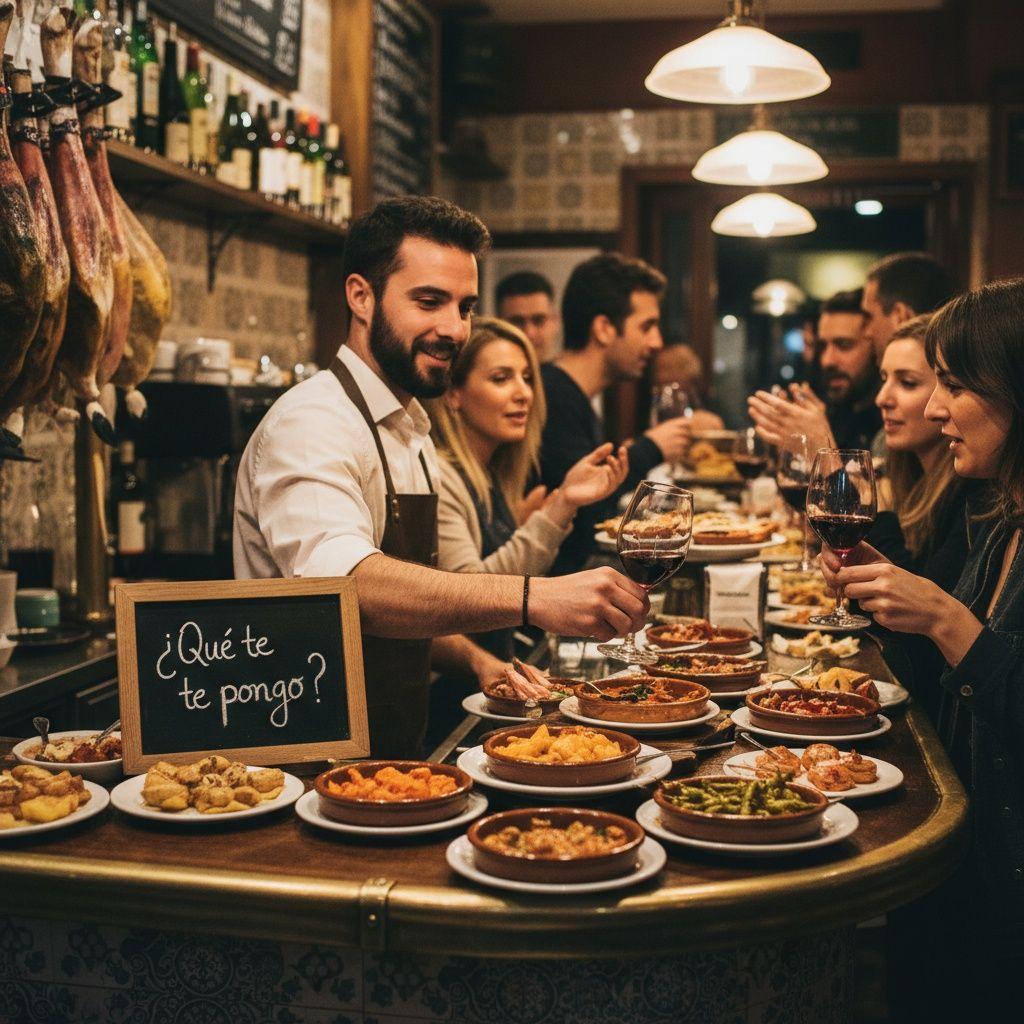
With "se han comido" you hear "they finished it all / nothing is left". This fits well with the context of the empty paella pan. In Spain, eating is often about socialising and enjoying yourself, so this kind of intensifying form sounds very natural.
It’s an idiom in colloquial Spanish: "to eat" = "to take a problem on yourself".
"Comerse un marrón" is a colloquial expression meaning "to take on an unpleasant problem" (not the literal "to eat"). This kind of fixed collocation appears in lists of colloquial expressions. By the way, the reflexive "comerse" often adds an intensity nuance, both in literal and figurative uses.
You need the pronoun "la" and a word that emphasizes "all of it".
"Me la he comido toda" is natural and colloquial: the object "la" (paella) + "toda" = "I’ve eaten it all". The other options either lack the necessary pronoun or sound incomplete.
Choose the option that expresses a result: "we emptied it".
"Nos bebimos" marks completion/result ("we emptied the jug"). The other options describe the process/fact without the idea of "hasta el final" (until the end).
You need a completed past event: everything has already been drunk.
The preterite + "beberse" ("Nos bebimos…") conveys "we drank everything, the glasses are empty". This matches the typical atmosphere of bars and tapeo in Spain, where food and drink are about socialising and enjoyment.
Keep the simple past and add "se" to express the result/completion.
"Nos bebimos" adds the nuance of "we managed / we drank it to the last drop". The imperfect ("bebíamos") describes a process, and "nos hemos bebido" changes the tense. Notice that this kind of reflexive is also used outside food, e.g. the colloquial "comerse un marrón".
Discover next:

Do you like it? Want more?
Free & quick registration, no subscriptions!
🤗
For expats and alike – unlike any other language app you've tried!
🎮
Learn by scrolling and playing!
💪
Real grammar and idioms to sound like locals!
🧠
Endless FYP feed for language learning
🧠
Endless FYP feed for language learning
Related articles
Materials on related topics will help expand your understanding of the topics: