¿Comer o comerse? El “se” que marca totalidad e implicación
 Dannis
In colloquial Spanish, **se** can mark totality or personal involvement.
- **He comido tortilla** = I ate (some) tortilla / I’ve eaten tortilla (part of it / in general).
- **Me he comido la tortilla** = I ate the WHOLE tortilla.
Use this **pronominal form** to show the action is fully completed.
Tip: if the idea is “all of it / to the very end”, use the pronominal form: - comer → comerse - beber → beberse - (also leer → leerse, etc.) In Spain this sounds very natural in everyday conversation.
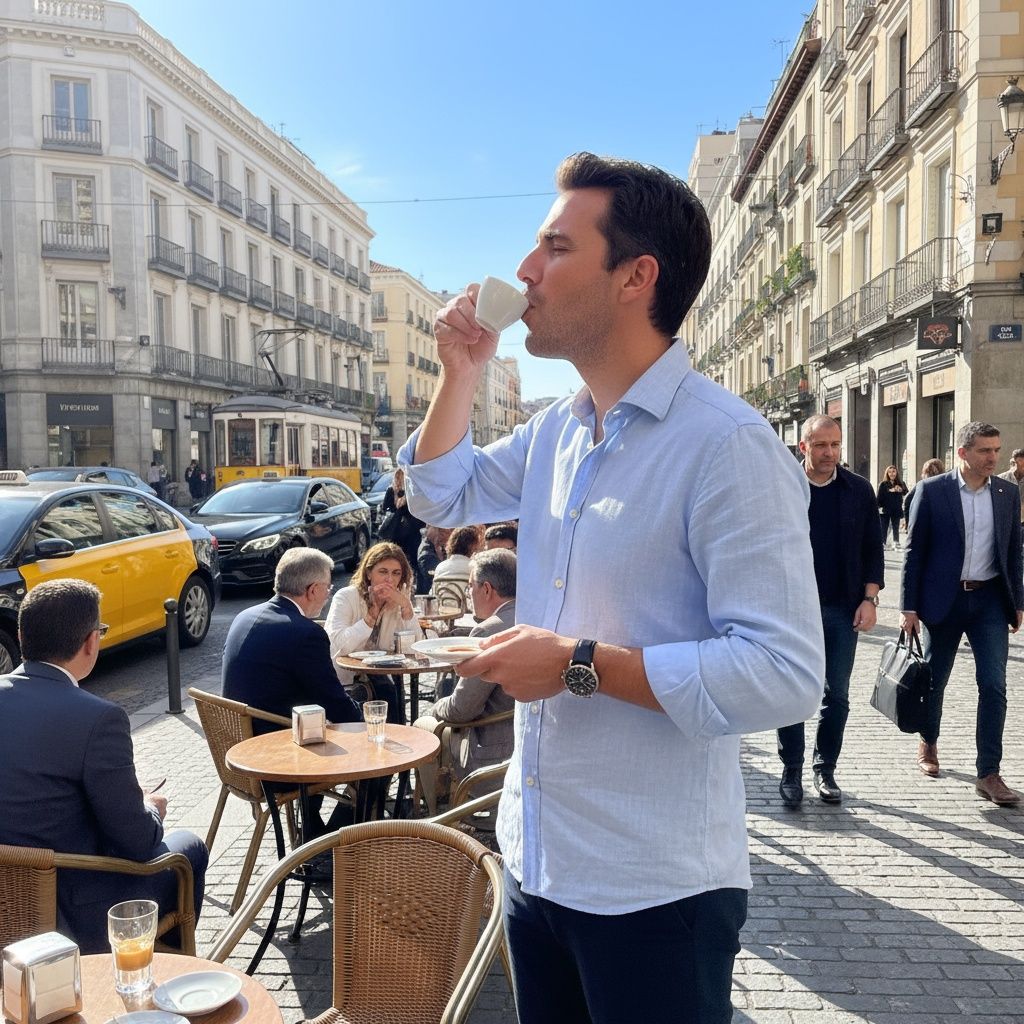
Beber vs beberse: - Se bebió el café de un trago = he/she drank the coffee in one go, finished it (action completed). - Without se: Bebió café = he/she drank coffee (in general / some coffee, not necessarily all of it).

Saberse (by heart): - Me sé la letra de la canción = I know the lyrics by heart. Remember: - saber is used for facts / information / skills; - conocer is used for people / places.
Creerse for emotional involvement: - No me lo creo = I don’t believe it / I just can’t believe it (personal emotional reaction). This is very common in Spain when something is surprising.
Extra colloquial: comerse un marrón = to get stuck with an unpleasant problem you didn’t want. Example: - Me he comido el marrón de atender a ese cliente pesado. = I ended up having to deal with that annoying customer.
Comprehension check:
Discover next: