Cuantificadores para hábitos saludables
 Dannis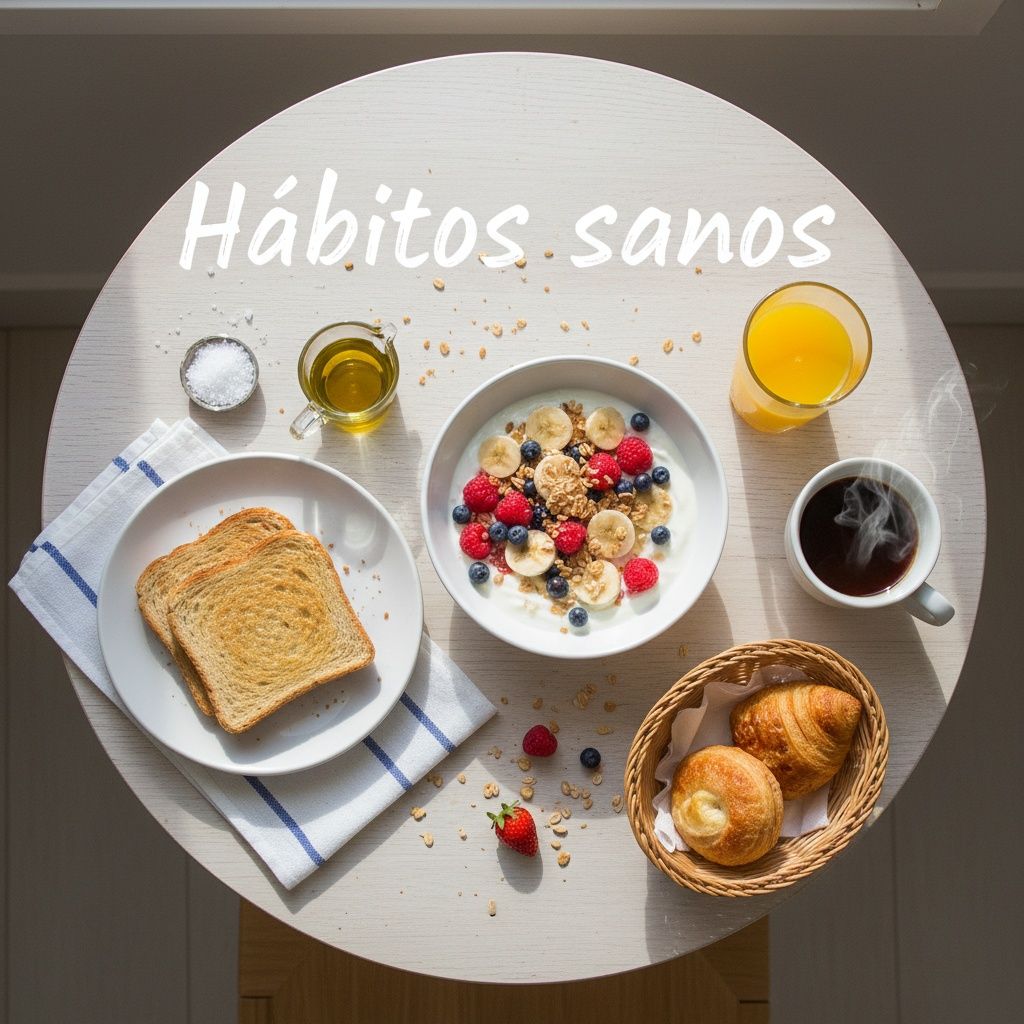
Cuantifiers for healthy eating (A2).
With food we use “de” only with uncountable nouns: *un poco de agua*.
In English these correspond to: a little / enough / a lot / nothing / without.
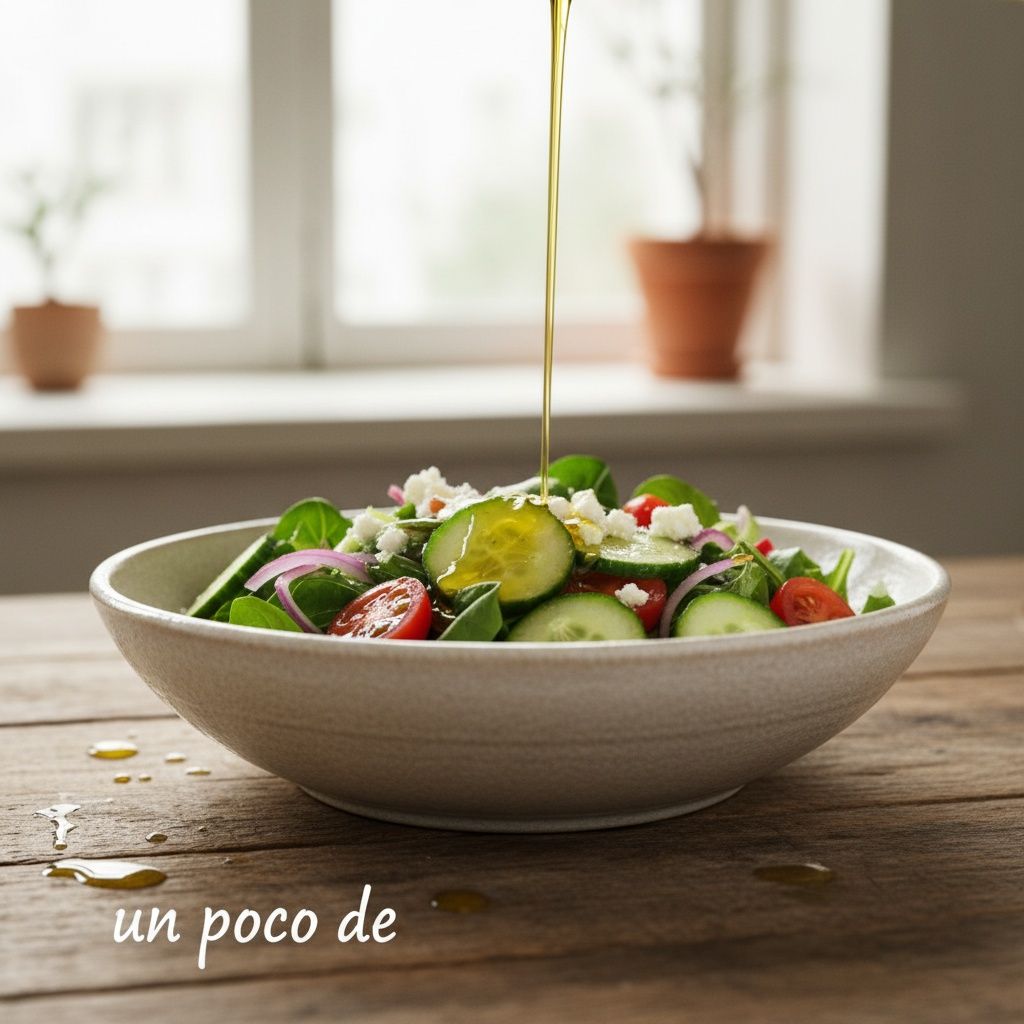
un poco de = a little (a small quantity). Example: Tomo un poco de aceite de oliva. – “I have a little olive oil.” Por la noche, como un poco de fruta. – “At night, I eat a little fruit.”
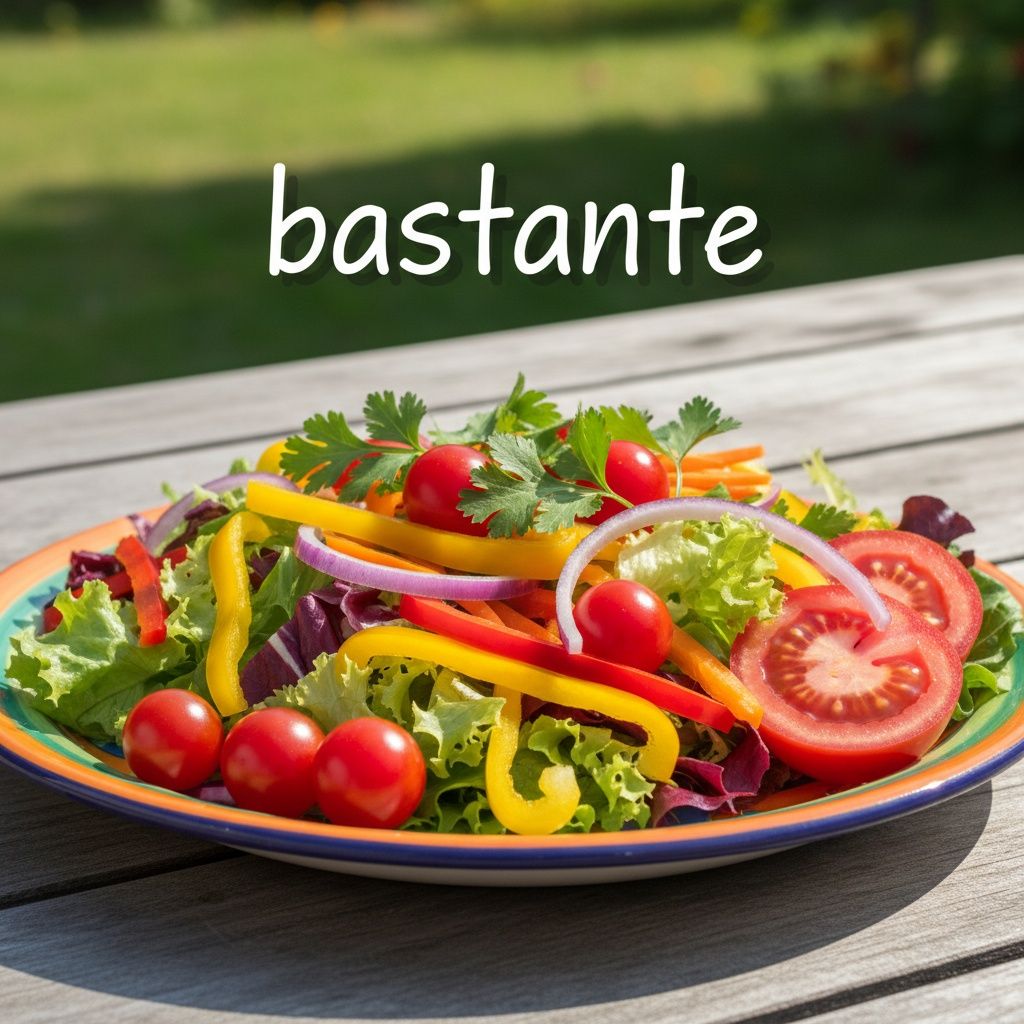
bastante = enough / quite a lot. With a noun: bastante + noun (without “de”). Example: Como bastante verdura. – “I eat quite a lot of vegetables.” Bebo bastante agua. – “I drink quite a lot of water.”
mucho/mucha/muchos/muchas + noun; muy + adjective/adverb. Typical mistake: not “muy agua”. Example: Bebo mucha agua. – “I drink a lot of water.” El café es muy fuerte. – “The coffee is very strong.”
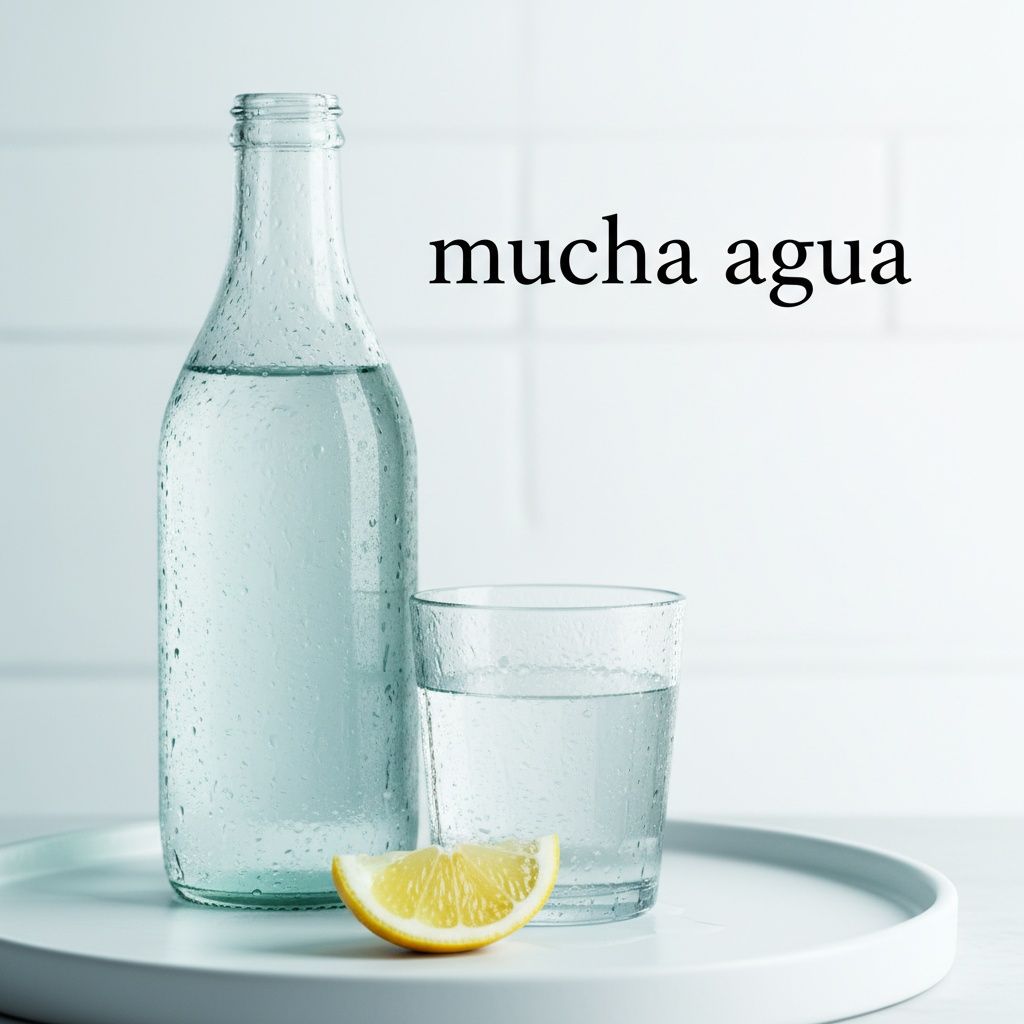
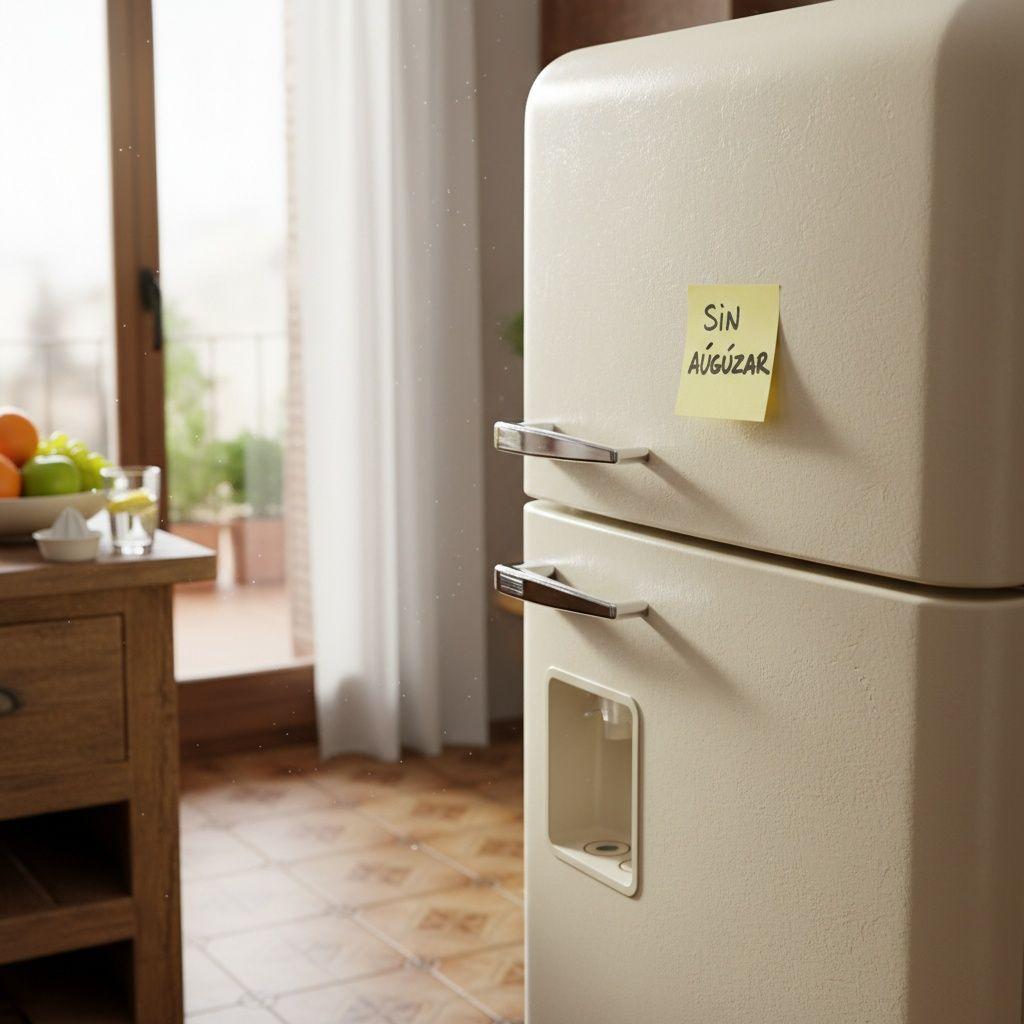
nada de + noun = absolutely nothing. sin + noun = without. Example: Nada de refrescos. – “No soft drinks at all.” Café sin azúcar. – “Coffee without sugar.” Pan sin gluten. – “Gluten‑free bread.”
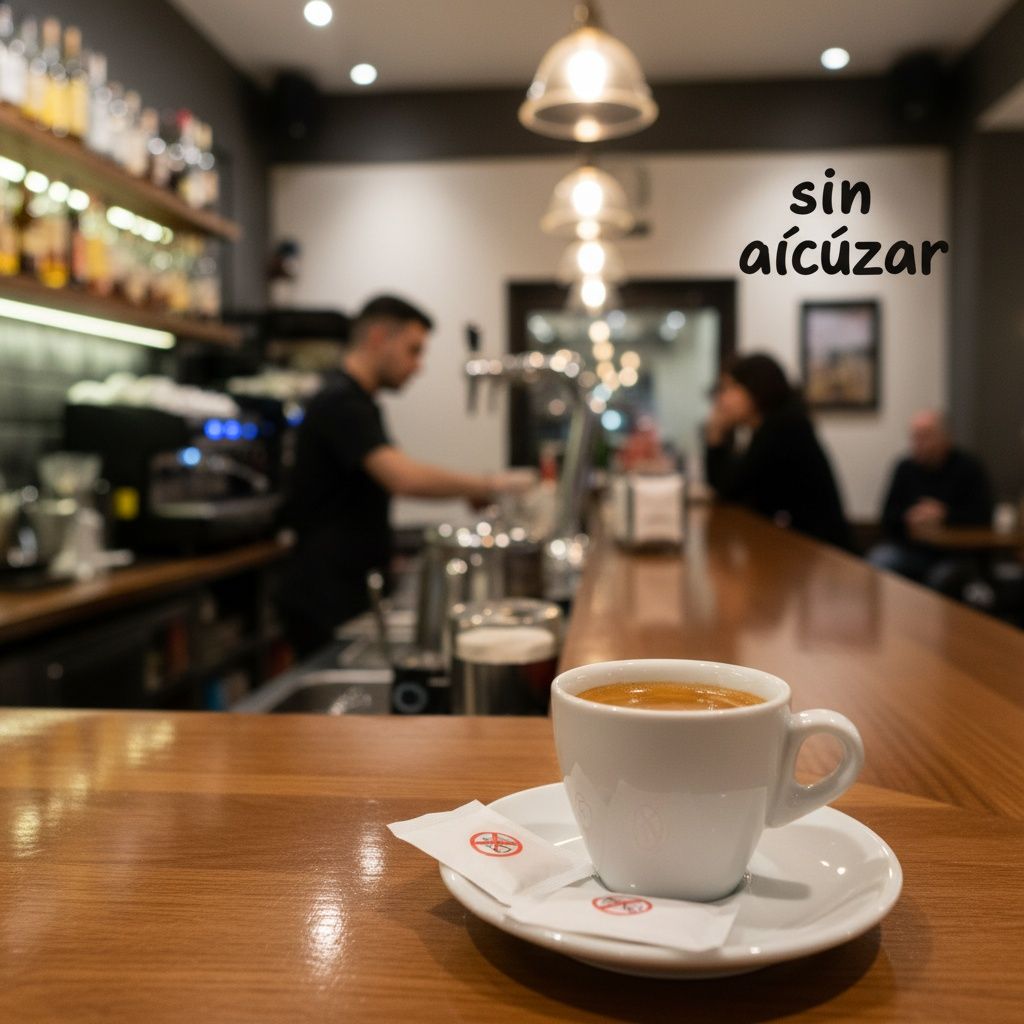
Coffee and health. In Spain, coffee culture is very social: about 65% of people go to cafés and drink around two coffees a day, so ordering *café sin azúcar* (“coffee without sugar”) is very common.
In bars and markets you’ll hear: “¿Qué te pongo?” (= “What can I get you?” / “What would you like?”).
Useful answers: *Ponme una ensalada, nada de salsa* – “I’ll have a salad, no sauce at all,” or *Un yogur, sin azúcar* – “A yogurt, without sugar.”
Comprehension check:
*Muy* goes with adjectives/adverbs: *muy fuerte*.
Discover next: