Hábitos alimentarios con perífrasis: llevar, dejar de, volver a
 Dannis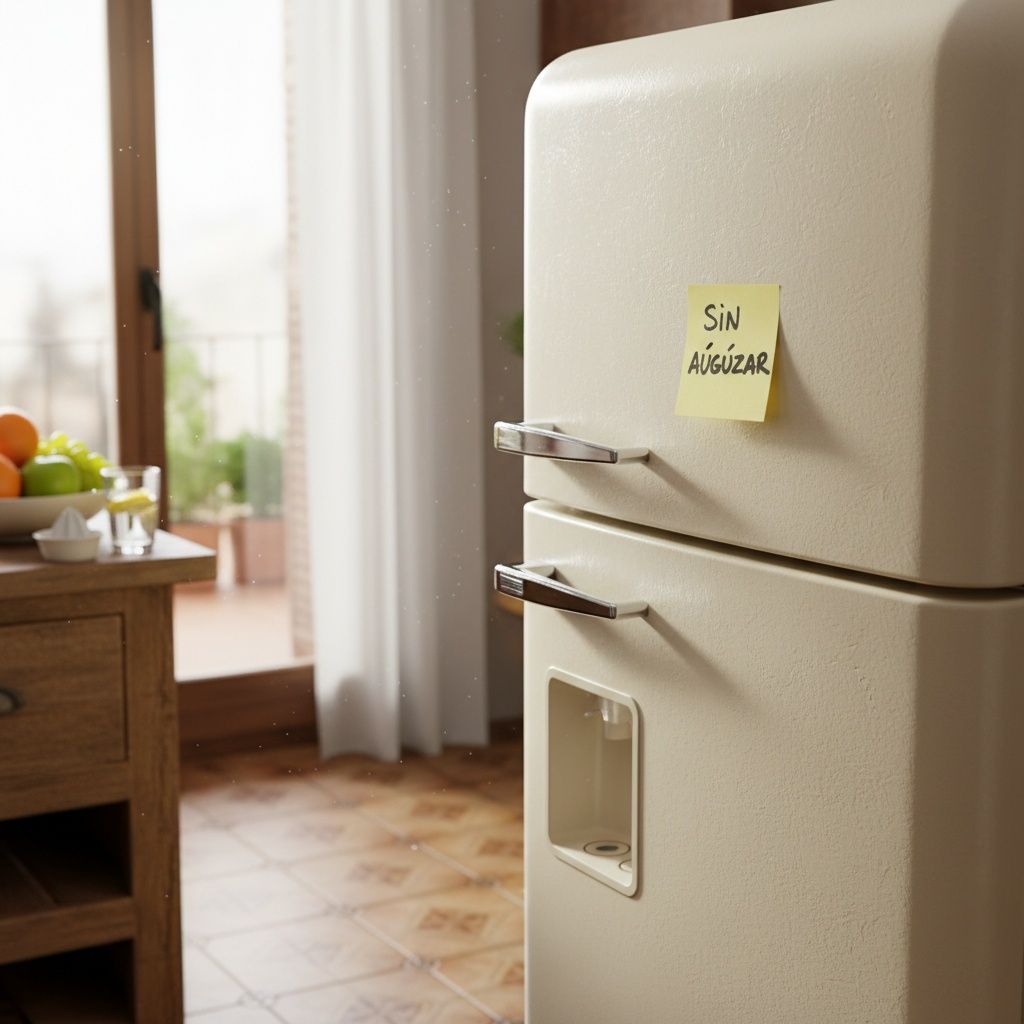
Hábitos alimentarios con perífrasis. Di cuánto tiempo mantienes un hábito, si lo dejas o si lo retomas. (for English speakers: perífrasis = set verbal constructions, like fixed verb patterns)
Llevar + gerundio = duration. Ej.: Llevo tres semanas comiendo menos pan. (I’ve already been doing this for three weeks / I’ve been doing this for three weeks now)
Llevar + sin + infinitivo = time without doing something. Ej.: Llevo dos semanas sin azúcar. (I’ve already been without sugar for two weeks / I’ve gone two weeks without sugar)

Volver a + infinitivo = to repeat an action. Ej.: Este mes vuelvo a merendar fruta. (again)
Dejar de + infinitivo = to stop. Ej.: He dejado de cenar tarde. (I stopped / I’ve stopped)
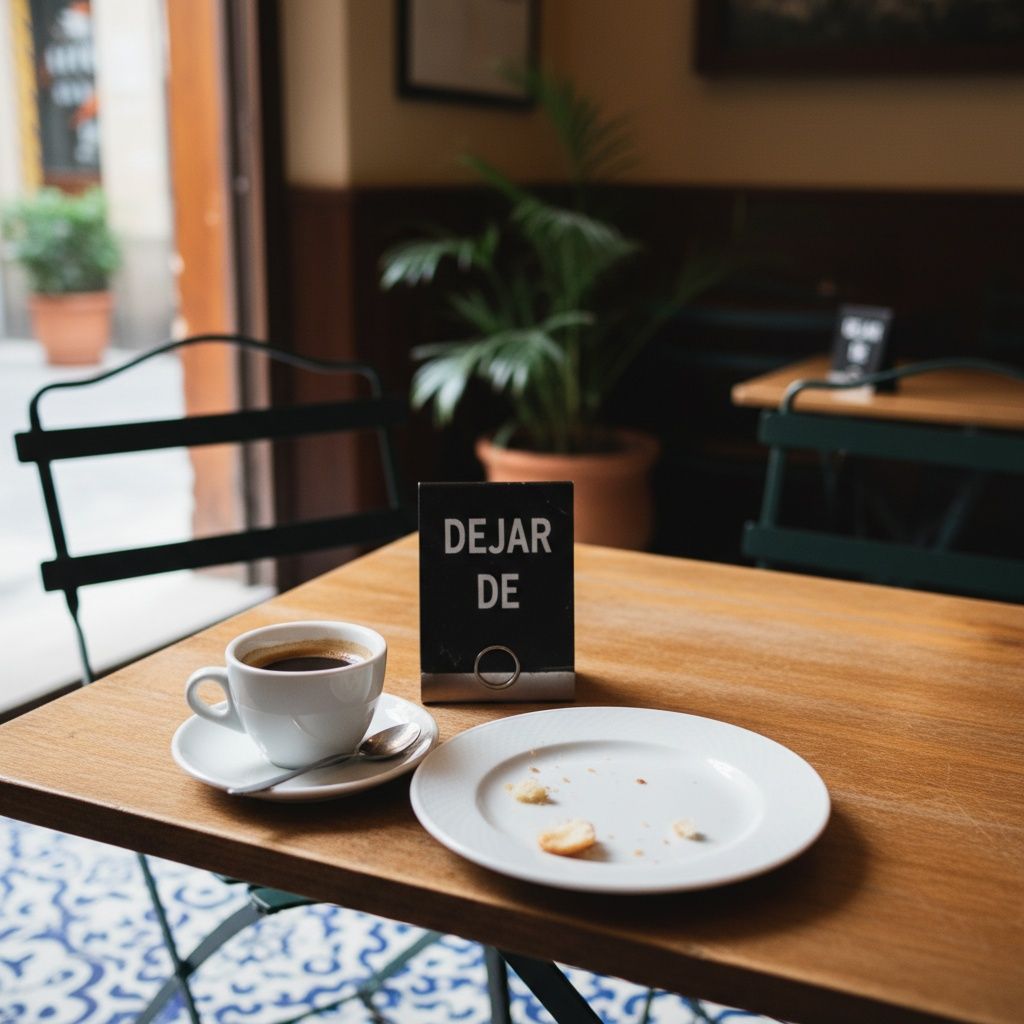
Ojo a la negación: no volver a + inf. = not to repeat: No vuelvo a comprar bollería. No dejar de + inf. = to keep doing / not to stop: No dejo de picar. (attention: opposite meanings)
Cultura: En España hay 5 comidas al día (incluida la merienda por la tarde) y comer es un acto social: se comparte y se charla mucho.
Comprehension check:
Discover next: