
¿Para llevar o para aquí? Frases clave en el bar
Diálogo corto: ¿Para llevar o para aquí? Selecciona las opciones adecuadas.
 Dannis
¿Para llevar o para aquí? In bars in Spain, this is what the waiter will ask you. "Para llevar" = to take away / to go. "Para aquí" = to have here. A very frequent phrase.
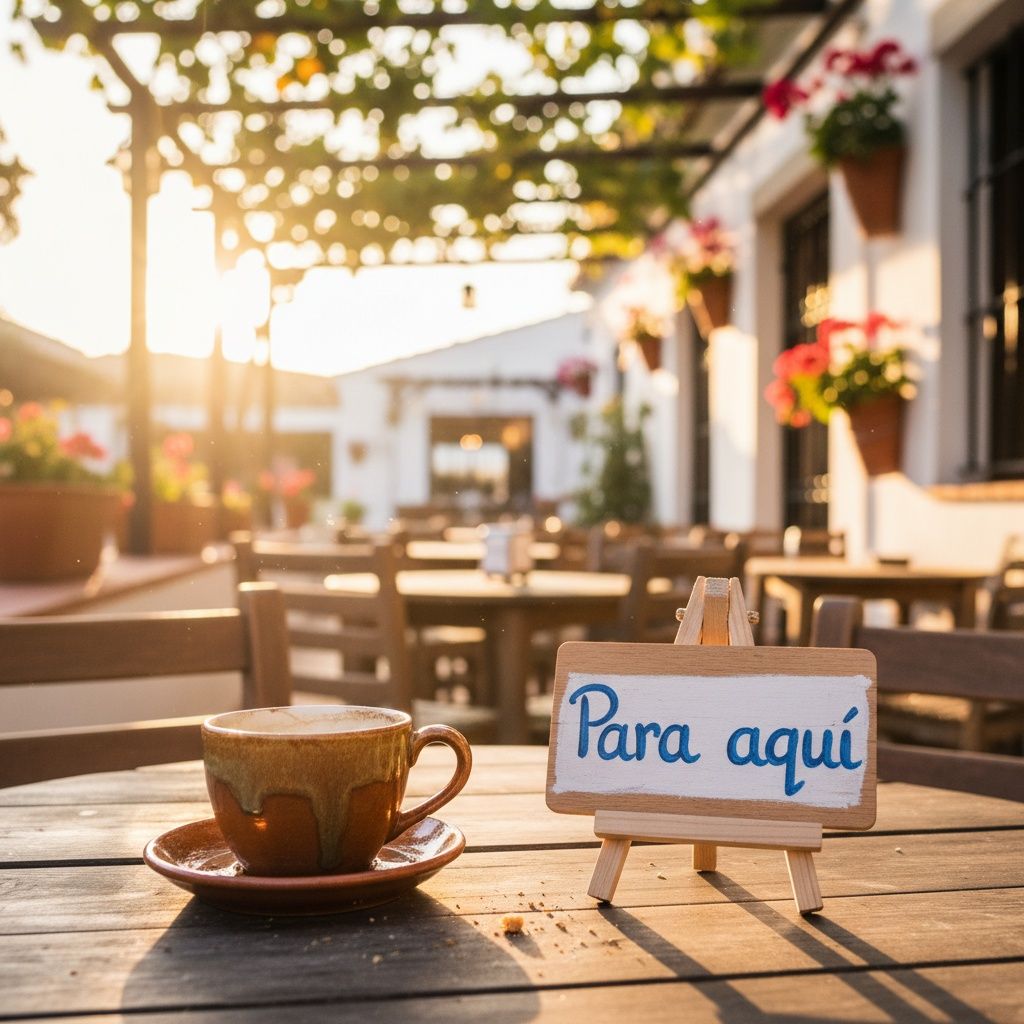
You’ll also hear: "¿Qué te pongo?" = What would you like to order? A typical phrase at the bar in Spain.
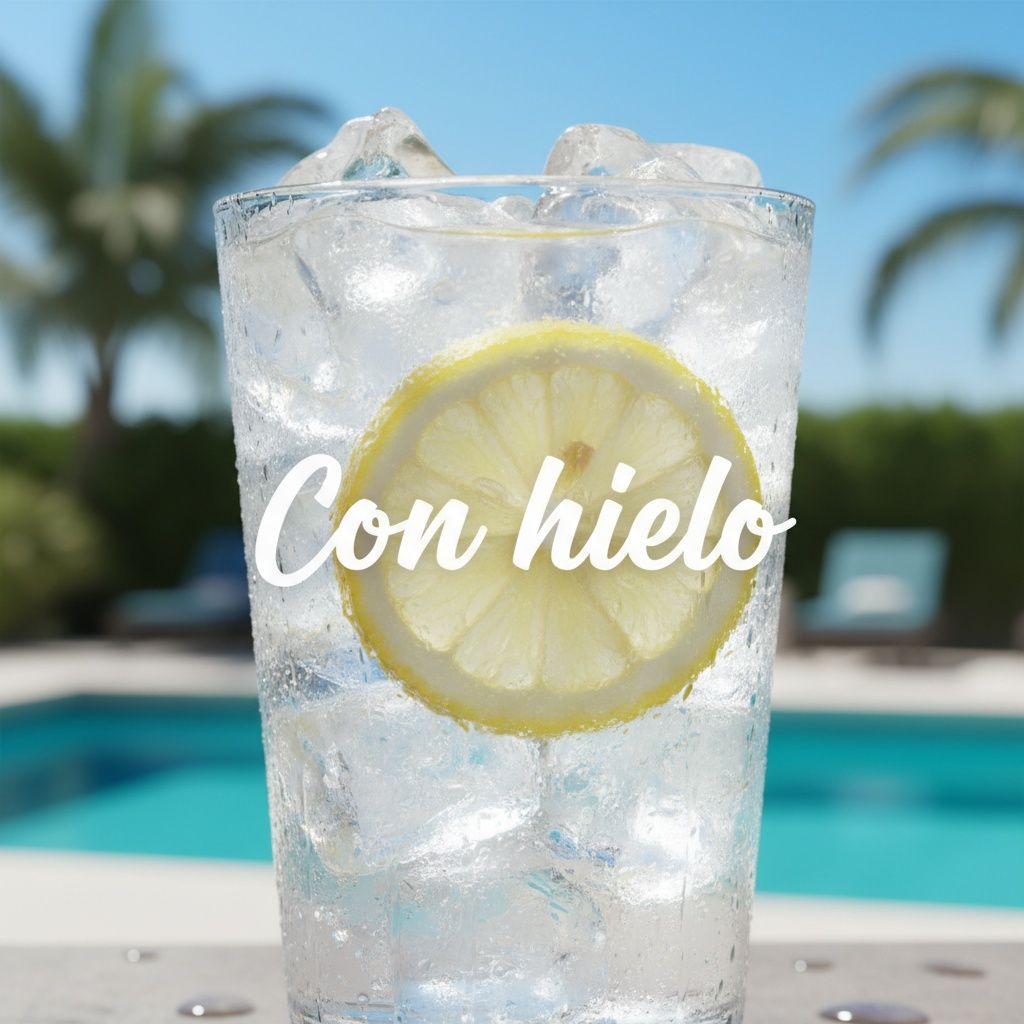
con hielo = with ice. Example: un café con hielo / un agua sin hielo.
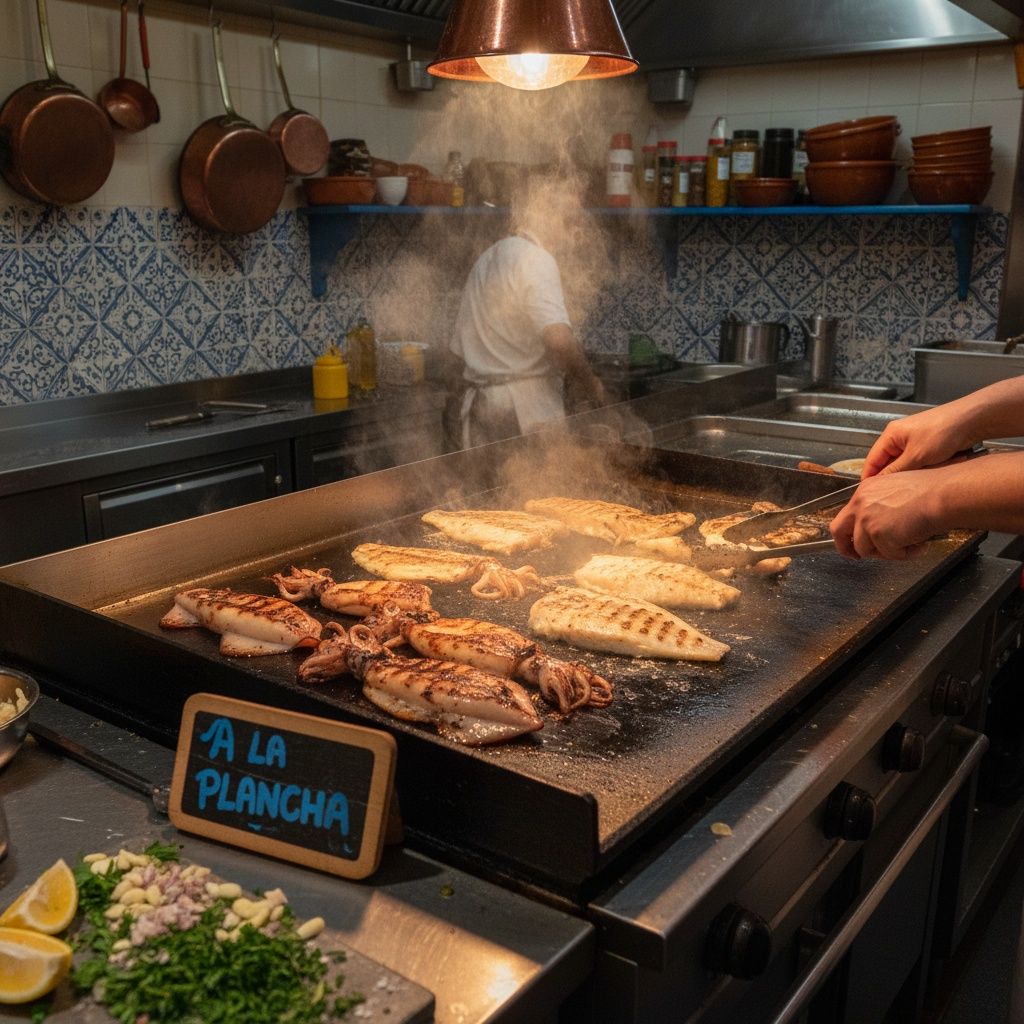
a la plancha = grilled on a flat top, almost without sauce. Very common with fish or vegetables.
para compartir = to share / for everyone to share. Tapas and raciones are very often ordered like this in Spain.
Model dialogue: C: ¿Para llevar o para aquí? P: Para aquí, por favor. C: ¿Algo para compartir? P: Calamares a la plancha y croquetas, para compartir.
Comprehension check:
Choose the correct option to answer: "¿Para llevar o para aquí?"
Para aquí, por favor.
Con hielo, por favor.
A la plancha, por favor.
Para compartir, por favor.
Correct answer: "Para aquí, por favor." The question is about where you’ll consume it: here or to go. The other options (con hielo / a la plancha / para compartir) talk about ice, cooking method, or sharing format, not the place.
Think: they are asking "here or to go?" Answer with one of those two.
¿Qué significa “a la plancha”?
Cocinado en plancha, casi sin salsa.
Bebida con hielo.
Para tomar fuera del local.
Plato para compartir.
"A la plancha" is a way of cooking on a flat griddle, practically without sauce. It’s not about ice, not about takeaway, and not about sharing.
Remember the slide with calamares a la plancha.
Completa: “Un agua ____”.
con hielo
a la plancha
para aquí
para llevar
With drinks you usually say "con hielo / sin hielo". "A la plancha" is a cooking method for food, and "para aquí / para llevar" refer to the place, so they don’t work with water here.
It’s about a drink and whether it has ice or not.
Discover next:

Do you like it? Want more?
Free & quick registration, no subscriptions!
🤗
For expats and alike – unlike any other language app you've tried!
🎮
Learn by scrolling and playing!
💪
Real grammar and idioms to sound like locals!
🧠
Endless FYP feed for language learning
🧠
Endless FYP feed for language learning
Related articles
Materials on related topics will help expand your understanding of the topics: