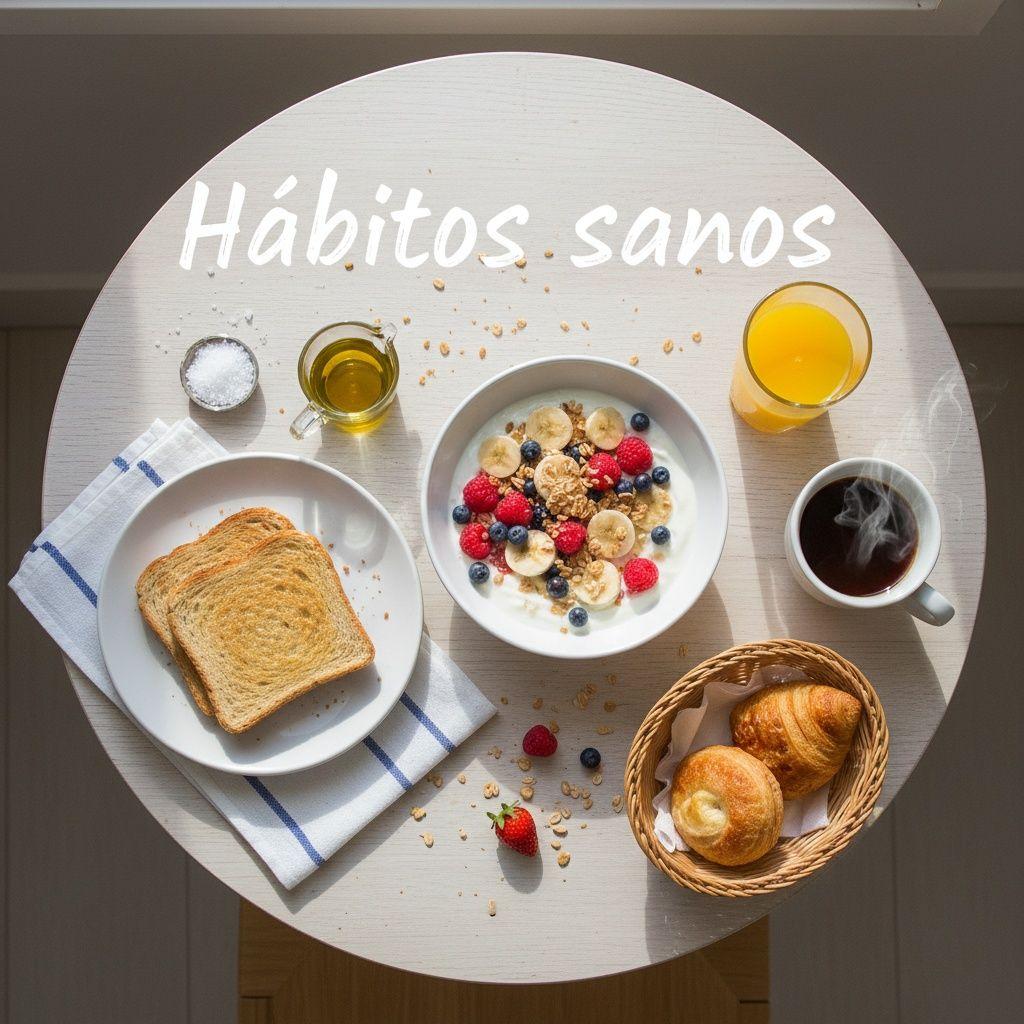
Comerse y beberse: totalidad y disfrute
 Dannis
Key idea: with "se", *comerse*/*beberse* get stronger. They indicate that you finish it all (totality) and, sometimes, that you enjoy it. Roughly like "eat/drink it all up" in English.
Comer vs comerse: Comí la paella. = neutral action. Me comí la paella (entera). = I finished it; sounds more emphatic.
Beber vs beberse: Bebimos vino. = neutral. Nos bebimos la botella. = we finished the bottle; more colloquial, sometimes with an idea of enjoyment.
In Spain, eating is social: *tapas*, *cañas* and long *sobremesas*. You’ll hear these forms a lot in bars.
With specific quantities it works great: *Me comí un bocadillo*; *Nos bebimos dos cervezas*; *¿Te vas a comer el postre?*
Careful: it’s not always literal. *Comerse un marrón* = to swallow/put up with an unpleasant problem (colloquial), not food.
Negation and partial: *No me terminé la sopa.* / *Me comí casi todo.* Without "se" it sounds more neutral: *No comí mucha sopa.*
Other similar verbs: *leerse*, *verse*. *Me leí el libro* (= the whole thing). *Nos vimos la serie* (= the whole series). Very colloquial.
Comprehension check:
Discover next: