Diminutivos en el súper: suena más amable

Diminutivos para suavizar y matizar pedidos en el súper.
DannisDannis
2 min reading time
(Illustration)

In Spain we use diminutives (-ito/-ita, -illo/-illa) to sound friendlier: bolsita, panecillos, un momentito, un cafetillo. It’s a bit like in English saying “a little bag,” “just a sec.”

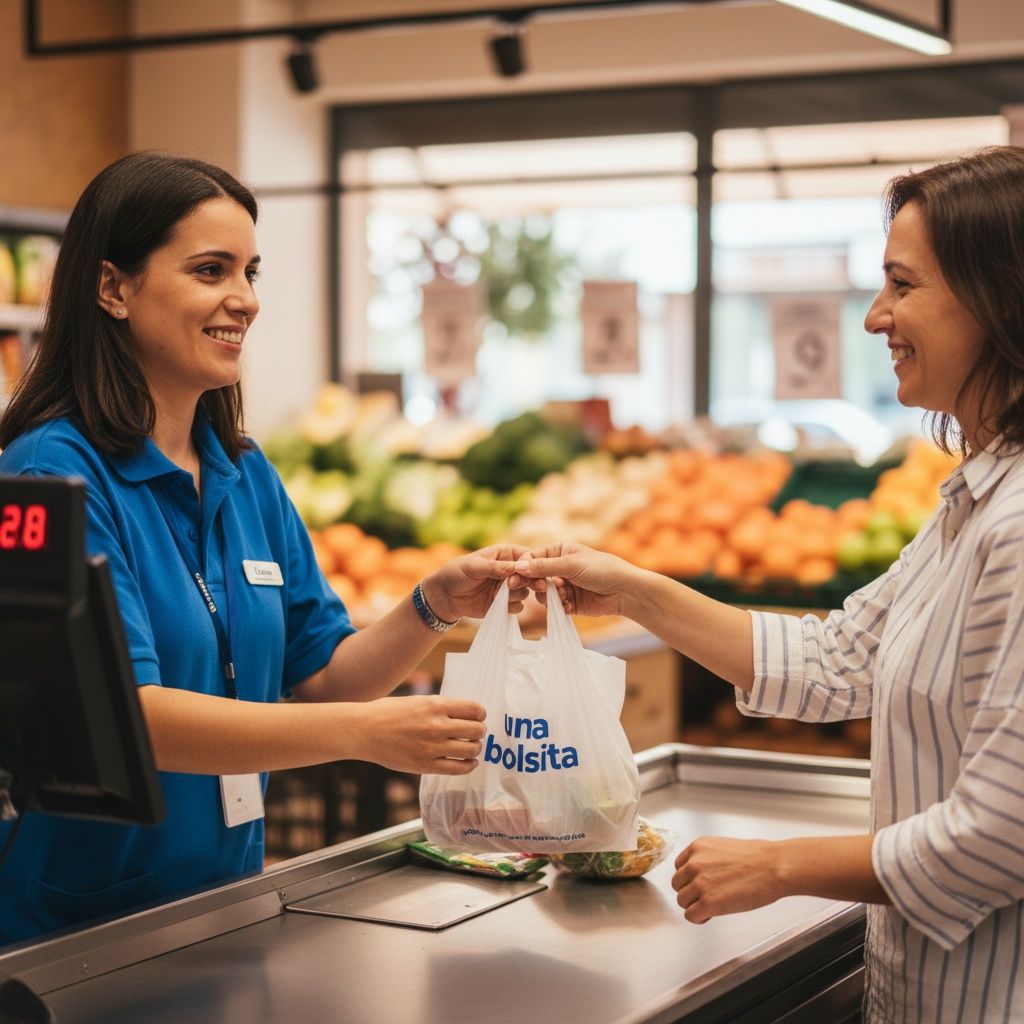
In supermarkets you have to pay for bags. Ask like this: “¿Me das una bolsita, por favor?” Natural and polite in Spain.

Useful phrases:
• Una bolsa → Una bolsita, porfa.
• Pan pequeño → Panecillos.
• Espera → Un momentito, gracias.
In the queue/line: “¿Quién es el último?”
(Illustration)

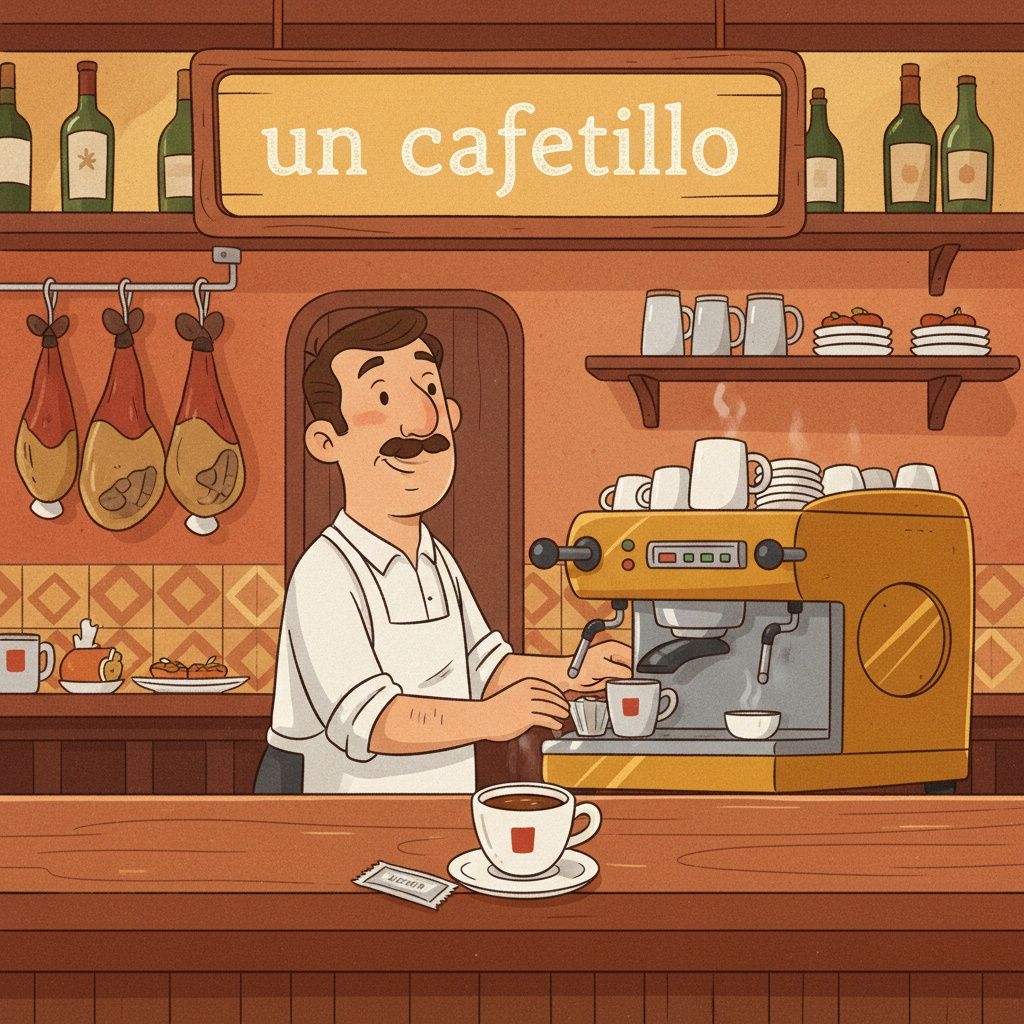
In shops and bars you’ll hear: “¿Qué te pongo?” (literally “What shall I serve you?”). Answer with a diminutive: “Ponme un cafetillo/una cervecita,” which sounds warm and very typical.

To pay: “¿Me cobras, cuando puedas?” And if you’re waiting: “Un momentito, gracias.” These are colloquial but correct, everyday formulas in Spain.

Diminutives don’t change the product, they change the tone. They sound kind/affectionate: besito, cenita… Use them naturally (without overdoing it).

Comprehension check:

¿Para qué se usan los diminutivos en el súper?
Para sonar más amable y cercano
Para indicar una cantidad exacta
Para subir el precio
Para pedir silencio
Diminutives soften the tone and add friendliness (they don’t change the product). In Spanish it’s a common way to sound polite and cercano (warm/approachable). Examples: bolsita, un momentito, cafetillo.
Remember: “bolsita”, “un momentito” are about tone, not about size.
Elige la frase más natural para pedir bolsa en España:
¿Me das una bolsita, por favor?
Dame la bolsa.
Quiero bolsa.
Ponme bolsa.
Since 2018, plastic bags in supermarkets are paid, so asking for “una bolsita” is polite and natural. The diminutive formula makes it sound softer.
Use a diminutivo + por favor.
¿Qué frase te dirá el dependiente para ofrecer ayuda?
¿Qué te pongo?
¿Qué precio tiene?
¿Me cobras?
¿Quién es el último?
“¿Qué te pongo?” is the typical question in shops/bars to offer to serve you; you answer with your order (often using diminutives).
It’s a standard set phrase used in shops and bars in Spain.

Discover next:

Related articles

Materials on related topics will help expand your understanding of the topics: